

15 Best Dark Spot Corrector Products 2025, Tested & Reviewed
Posted by Live Tinted on
A great dark spot corrector can feel like a magic wand for your skin, helping to visibly fade the frustrating marks left behind by sun exposure, breakouts, or hormonal changes. These targeted treatments are designed for anyone looking to achieve a more even and radiant complexion by diminishing the appearance of hyperpigmentation. Whether you’re dealing with post acne marks or stubborn sun spots, the right formula can make a significant difference.
Understanding Dark Spots and How Correctors Help
Dark spots, or hyperpigmentation, happen when certain areas of the skin produce more melanin than usual. Melanin is the pigment that gives your skin, hair, and eyes their color. This overproduction can be triggered by several factors:
Sun Exposure: UV rays from the sun are a primary cause, leading to what are often called sun spots or age spots.
Inflammation: Skin trauma, such as acne, eczema, or even an insect bite, can cause post inflammatory hyperpigmentation (PIH), especially in deeper skin tones.
Hormonal Changes: Fluctuations in hormones, particularly during pregnancy, can lead to a type of hyperpigmentation called melasma.
A dark spot corrector works by using active ingredients to break up the excess pigment and slow down the enzyme responsible for its production. Consistent use helps to lighten the existing spots and prevent new ones from forming, revealing a more uniform skin tone over time.
What to Look for in a Dark Spot Corrector: Key Ingredients
When shopping for a dark spot corrector, the ingredients list is your best friend. Certain powerhouse actives are clinically recognized for their brightening and clarifying properties.
Brightening and Renewing Actives
THD Vitamin C: A highly stable, oil soluble form of Vitamin C that penetrates deeply to fight free radicals and visibly brighten the skin.
Niacinamide: Also known as Vitamin B3, this multitasker helps reduce the transfer of pigment within the skin, improves skin texture, and strengthens the skin barrier.
Bakuchiol: A gentle, plant based alternative to retinol that helps to improve cell turnover and fade the appearance of dark spots without the potential for irritation.
Glycolic Acid: An alpha hydroxy acid (AHA) that exfoliates the skin’s surface, helping to shed discolored skin cells more quickly.
Licorice Root Extract: A natural ingredient known for its ability to inhibit the enzyme that causes pigment production, making it an effective skin brightener.
Many modern formulas, like the Superhue Hyperpigmentation Serum Stick, combine several of these ingredients to tackle discoloration from multiple angles. In consumer studies for Superhue, 93% of participants reported a more even skin tone.
How We Selected the Best Dark Spot Correctors
To provide you with the most reliable recommendations, we follow a comprehensive testing and evaluation process. Our selections are based on more than just hype. We analyze each product based on several key criteria to ensure it delivers real results.
Our Testing Process
Ingredient Analysis: We scrutinize the ingredient list for proven, effective actives like Vitamin C, niacinamide, tranexamic acid, and retinol. We prioritize well formulated products that are stable and suitable for their intended skin type.
Long Term Testing: Our team and a panel of testers use the products for a minimum of eight weeks to properly assess their effectiveness. We track the fading of dark spots over time, improvements in overall skin tone, and any changes in skin texture.
User Experience: A product must be pleasant to use. We evaluate its texture, absorption, and how well it layers with other skincare and makeup products. We disqualify formulas that are overly sticky, pill, or cause significant irritation.
Dermatologist Consultation: We consult with board certified dermatologists to understand the science behind the ingredients and to get their expert opinions on what truly works for different types of hyperpigmentation and skin tones.
Choosing a Corrector for Your Skin Type and Tone
The best dark spot corrector is one that suits your unique skin. While the goal is the same, different skin types and tones have different needs.
For Oily and Acne Prone Skin: Look for lightweight, non comedogenic formulas. Ingredients like niacinamide are excellent because they can also help regulate oil production.
For Dry and Sensitive Skin: Prioritize hydrating ingredients and gentle actives. Bakuchiol is a fantastic choice over traditional retinoids, and ingredients like squalane provide moisture without clogging pores.
For Melanin Rich Skin: It’s crucial to use products formulated and tested for deeper skin tones to avoid irritation that could worsen hyperpigmentation. Brands built on inclusivity, like Live Tinted, focus on creating effective yet gentle solutions for concerns common in diverse complexions.
Best Dark Spot Corrector for Mature Skin
For mature skin, a dark spot corrector should ideally tackle both pigmentation and signs of aging like fine lines.
Key Ingredients: Look for formulas that include retinol or bakuchiol to accelerate cell turnover and boost collagen. Peptides and niacinamide are also beneficial for firming the skin and improving its barrier function.
Product Spotlight: The SkinCeuticals Metacell Renewal B3 is an excellent option, as it combines a high concentration of niacinamide with peptides to address both tone and texture.
Best Dark Spot Corrector for Black Skin
It is essential for individuals with Black skin to choose dark spot correctors that are gentle yet effective. Harsh ingredients can sometimes cause more inflammation, leading to further hyperpigmentation.
Ingredients to Favor: Niacinamide, tranexamic acid, azelaic acid, and Vitamin C are excellent choices. They work to fade discoloration without causing undue irritation.
Ingredients to Approach with Caution: While effective, hydroquinone and high concentrations of certain acids like glycolic acid can sometimes lead to irritation or rebound pigmentation in darker skin tones if not used carefully and under professional guidance.
Product Spotlight: The Eadem Milk Marvel Dark Spot Serum was created and clinically tested specifically for melanin rich skin, using a gentle blend of niacinamide, encapsulated Vitamin C, and amber algae.
How to Use a Dark Spot Corrector for Best Results
Integrating a dark spot corrector into your routine is simple. Consistency is the key to seeing visible improvement.
Cleanse: Start with a clean, dry face.
Apply the Corrector: Use the product as a spot treatment on specific areas or apply a thin layer over the entire face if you have widespread discoloration. A serum stick format offers mess free, targeted application.
Moisturize: Follow up with your favorite moisturizer to keep your skin hydrated.
Protect: In the morning, always finish with a broad spectrum sunscreen with an SPF of 30 or higher, like Hueguard 3 in 1 Mineral Sunscreen SPF 30. This step is non negotiable.
This process applies to the body as well. You can use a dark spot corrector on your chest, back, and hands where sun damage may be visible. To streamline your routine for face and eyes, try the Superhue Dark Spots & Circles Heroes Set.
Top 15 Dark Spot Corrector Products
With a clearer understanding of what causes dark spots, it’s time to dive into the most effective solutions available. We have meticulously curated a list of the top 15 dark spot correctors, chosen for their potent ingredients, positive reviews, and proven results. Whether you prefer a serum, cream, or targeted treatment, this selection features standout products to help you achieve a more even and radiant complexion.
1. Live Tinted SUPERHUE® Hyperpigmentation Serum Stick
This swipe on, balm to serum corrector turns targeted dark spot care into a 10 second step. Hydroquinone free and designed with melanin rich skin in mind, it stacks pigment modulators, antioxidants, and gentle resurfacers to visibly soften stubborn marks with consistent use.
Best for: Targeted dark spot care for melanin rich skin
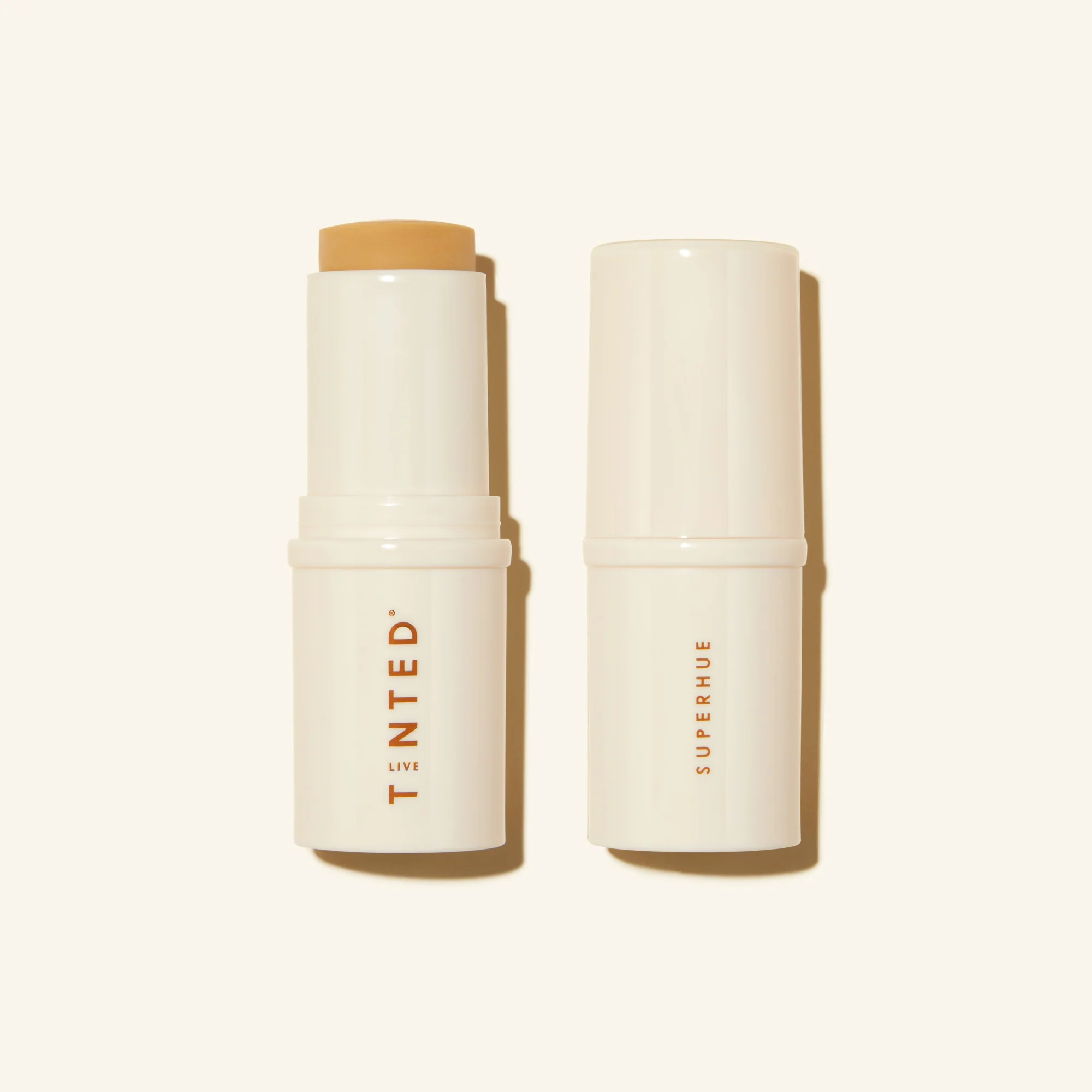
Expect a dewy, thin veil that melts in and plays nicely with mineral SPF and makeup. Press in a sheer layer, let it set, then follow with sunscreen. Many see radiance in three weeks, with post acne marks typically softening over 8-12 weeks. If you prefer a matte finish, keep passes light to avoid extra sheen.
Who it’s for: All skin tones, especially deeper complexions, seeking a hydroquinone free corrector for post acne marks and sun spots. Best for normal, dry, and combo skin; oily types should keep layers ultra thin.
Niacinamide: Fortifies the barrier and evens tone.
THD Vitamin C: Stable antioxidant brightener.
Cetyl Tranexamate Mesylate: Targets excess pigment.
Bakuchiol: Gentle retinol alternative for clarity.
Tip: Swipe a thin layer on spots; finish with SPF 30+ every morning.
2. Neutrogena Rapid Tone Repair Retinol + Vitamin C Dark Spot Corrector
A drugstore go to that tackles discoloration from two proven angles: retinol for faster turnover and vitamin C for brightening. The silky, silicone gel texture absorbs in a flash and creates a smooth, primer like canvas under sunscreen and makeup.
Best for: Fading post acne marks

With patient use, you’ll notice early glow within a couple of weeks and more meaningful fading of spots by 6-12 weeks. It’s cosmetically elegant under mineral SPF with no tacky residue. New retinol users may feel brief tingling or dryness. Go slow and moisturize well.
Who it’s for: Normal, combo, and oily skin managing PIH and sun spots across all tones, including melanin rich skin. Not ideal for highly sensitive or barrier compromised skin.
Retinol: Speeds cell turnover to fade spots.
Vitamin C (Ascorbyl Glucoside): Brightens and evens tone.
Sodium Hyaluronate: Cushions against retinol dryness.
Tip: Start 2-3 nights per week; increase as tolerated.
Tip: Retinol ups sun sensitivity; use SPF 30+ daily.
3. Caudalie Vinoperfect Brightening Dark Spot Serum
Beloved for its gentle touch and steady results, this silky, oil free serum is a sensitive skin staple that brightens without sting. Its star, Viniferine, zeroes in on stubborn dark spots while staying non photosensitizing for easy daytime wear.
Best for: Gentle daily fading for sensitive skin
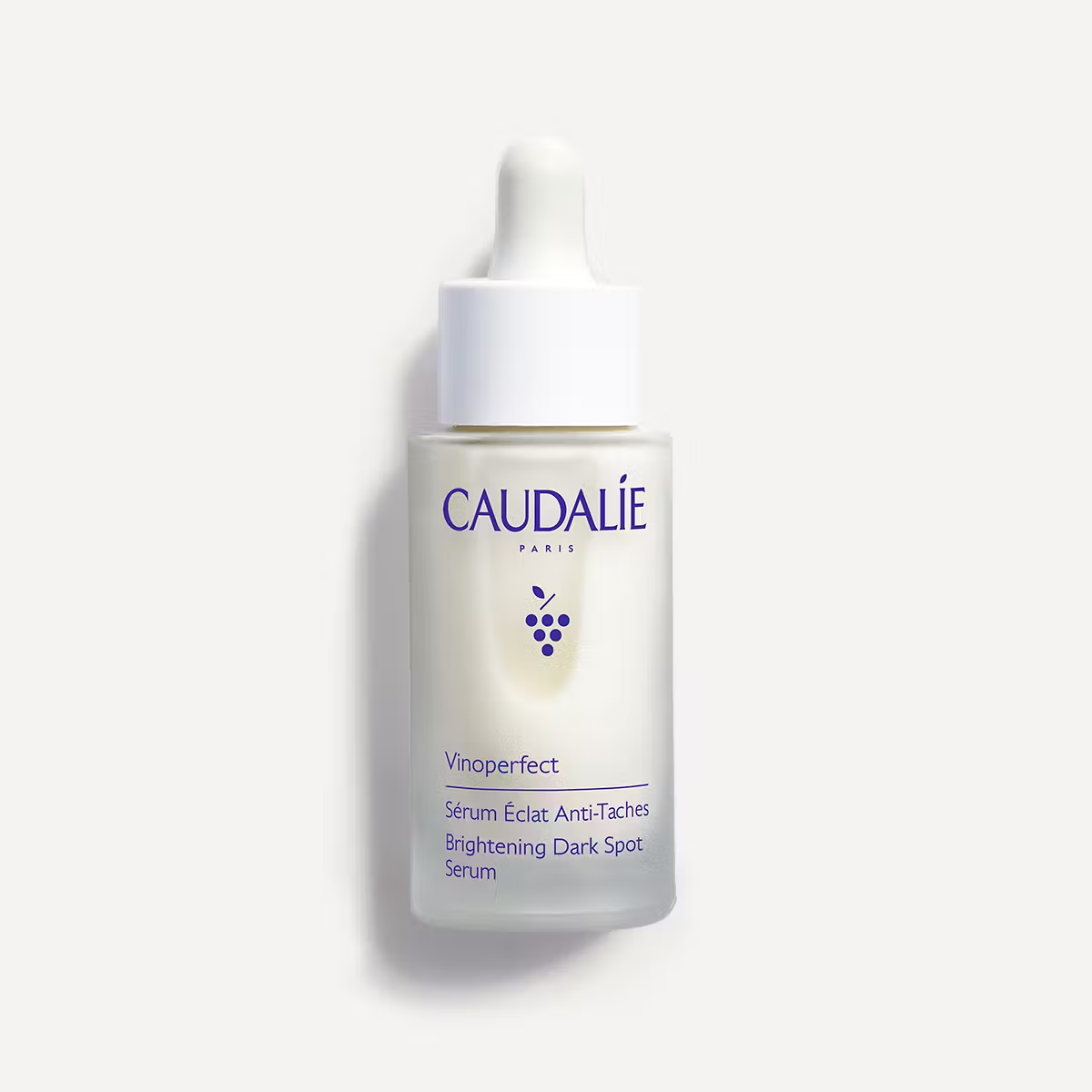
It sinks in quickly and layers cleanly under mineral SPF and makeup; give it a minute to set to avoid pilling. Users report visibly more even tone with one bottle, and the brand touts Viniferine as 62x more effective than vitamin C at targeting pigmentation. There’s a mild fragrance; patch test if reactive.
Who it’s for: All skin types, including sensitive and acne prone, addressing post acne marks, sun spots, and melasma. A reliable, non comedogenic pick for deeper skin tones that need daily, makeup friendly wear.
Viniferine: Patented grapevine extract that fades dark spots.
Olive Squalane: Softens and supports the barrier.
Bisabolol: Calms visible redness.
Tip: Use AM/PM before moisturizer.
Tip: Lock in progress with SPF 30+ every morning.
4. Glow Recipe Guava Vitamin C Dark Spot Serum
A silky, non sticky gel serum that pairs a multi form vitamin C complex with tranexamic and ferulic acids for brightening that doesn’t bite. Lightweight and layerable, it keeps routines effortless.
Best for: Fading post acne marks

Expect a smooth, non greasy finish that sits well under mineral SPF and makeup with no pilling. With consistent morning use, fresh PIH starts to look lighter by week four and overall radiance bumps up. There’s a subtle guava note despite being fragrance free; most find it fleeting.
Who it’s for: All skin types, including sensitive and acne prone, treating PIH and sun spots. A daily friendly fit for melanin rich skin that wants brightening without irritation.
Five forms of Vitamin C: Potent, stable brightening.
Tranexamic Acid: Visibly reduces discoloration.
Ferulic Acid + Vitamin E: Antioxidant support and stability.
Tip: Apply 1-2 pumps in the AM; let absorb 60 seconds.
Tip: Seal with SPF 30+ to protect gains.
5. Eadem Milk Marvel Dark Spot Serum
Created and clinically tested for melanin rich skin, this milky, cushiony serum fades dark spots without bleaching agents or harshness. Its “Smart Melanin” approach helps treat existing marks and discourage new ones.
Best for: Melanin rich skin and post acne marks
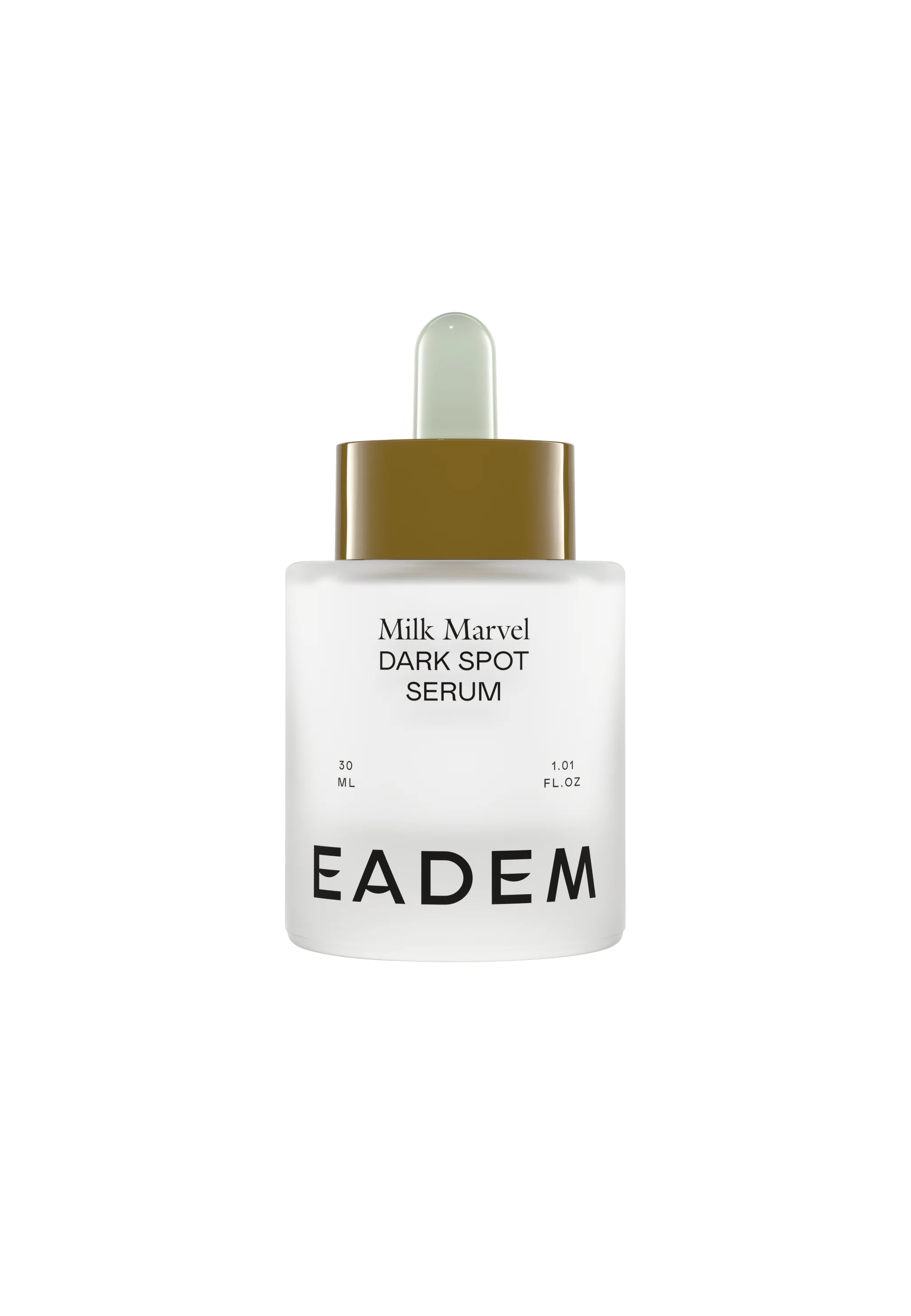
The fast absorbing texture layers flawlessly under mineral sunscreens and makeup with zero pilling. Many see early brightening within a month, with steady fading over time; hormonally driven melasma may require patience and consistency.
Who it’s for: All tones, especially medium to deep, prone to PIH from acne or irritation. Gentle, fragrance free, and non clogging for sensitive and acne prone skin in makeup friendly routines.
Niacinamide: Barrier support and tone evening.
Encapsulated Vitamin C: Brightening antioxidant.
Licorice Root + Amber Algae: Soothe and even tone.
How to use: 3-4 drops AM/PM before moisturizer.
Tip: SPF 30+ every morning to lock in progress.
6. Fenty Skin Watch Ya Tone 5% Niacinamide Dark Spot Serum
A gentle, fragrance free brightener built for daily consistency. With 5% niacinamide plus vitamin C, it steadily softens dark marks while staying kind to sensitive skin.
Best for: Fading post acne marks
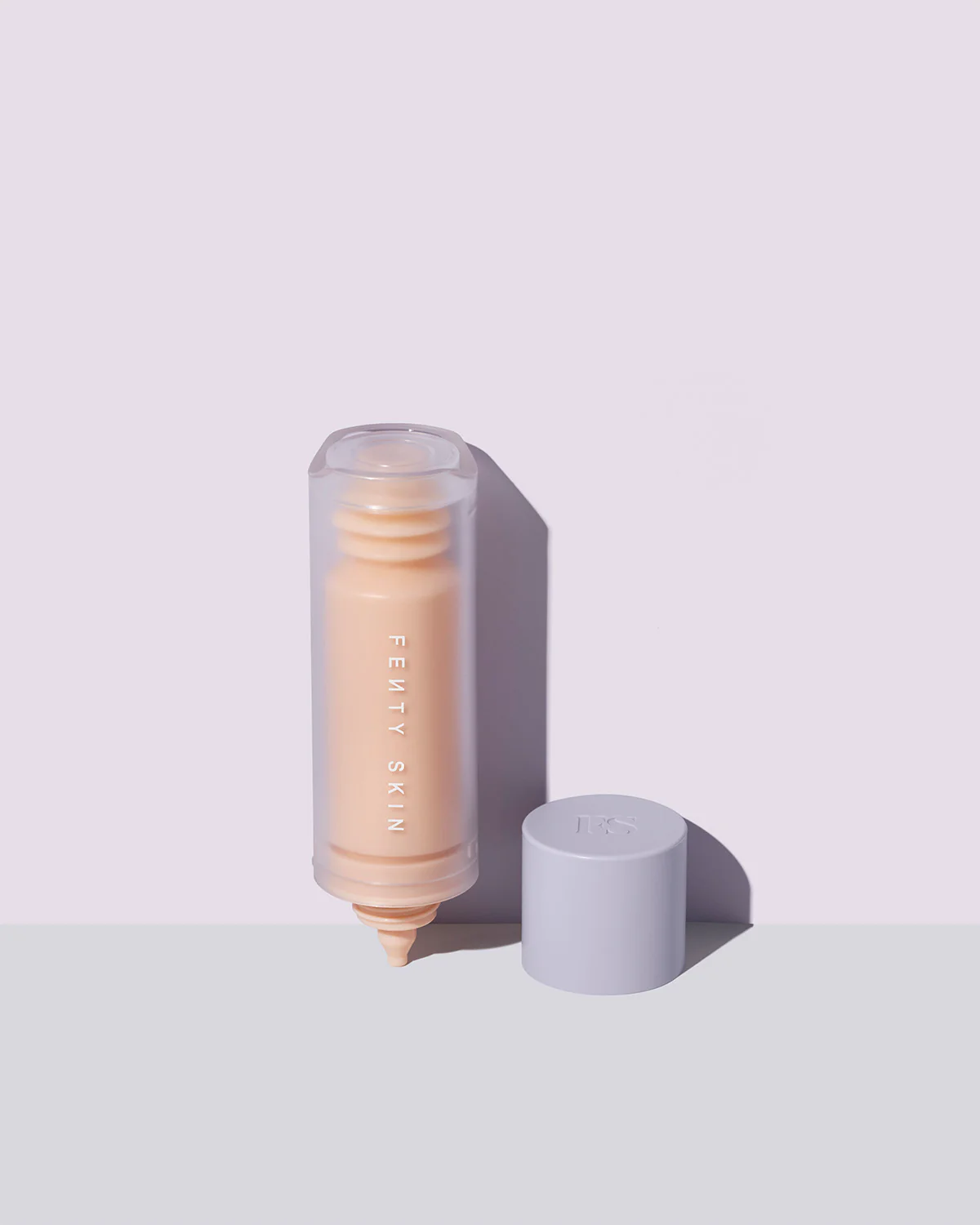
The lightweight, non sticky finish disappears under mineral SPF and makeup, with no pilling here. In an 8 week study, 78% saw improved dark spots. Skip strong AHAs on the same day to avoid over exfoliating; let this do the work.
Who it’s for: All skin types and tones, particularly melanin rich complexions managing PIH. Non comedogenic and gentle enough for sensitive skin; perfect for everyday, makeup first routines.
5% Niacinamide: Reduces dark spots; supports barrier.
Vitamin C + Licorice: Brighten and calm.
How to use: Apply AM/PM before moisturizer.
Tip: Finish with SPF 30+ every morning.
7. Dr. Idriss Major Fade Hyper Serum Dark Spot Treatment
A brightening workhorse that blends pigment inhibitors with skin soothers for steady, low drama fading. The gel cream slips on like a lightweight moisturizer and leaves a soft, luminous finish.
Best for: Fading post acne marks
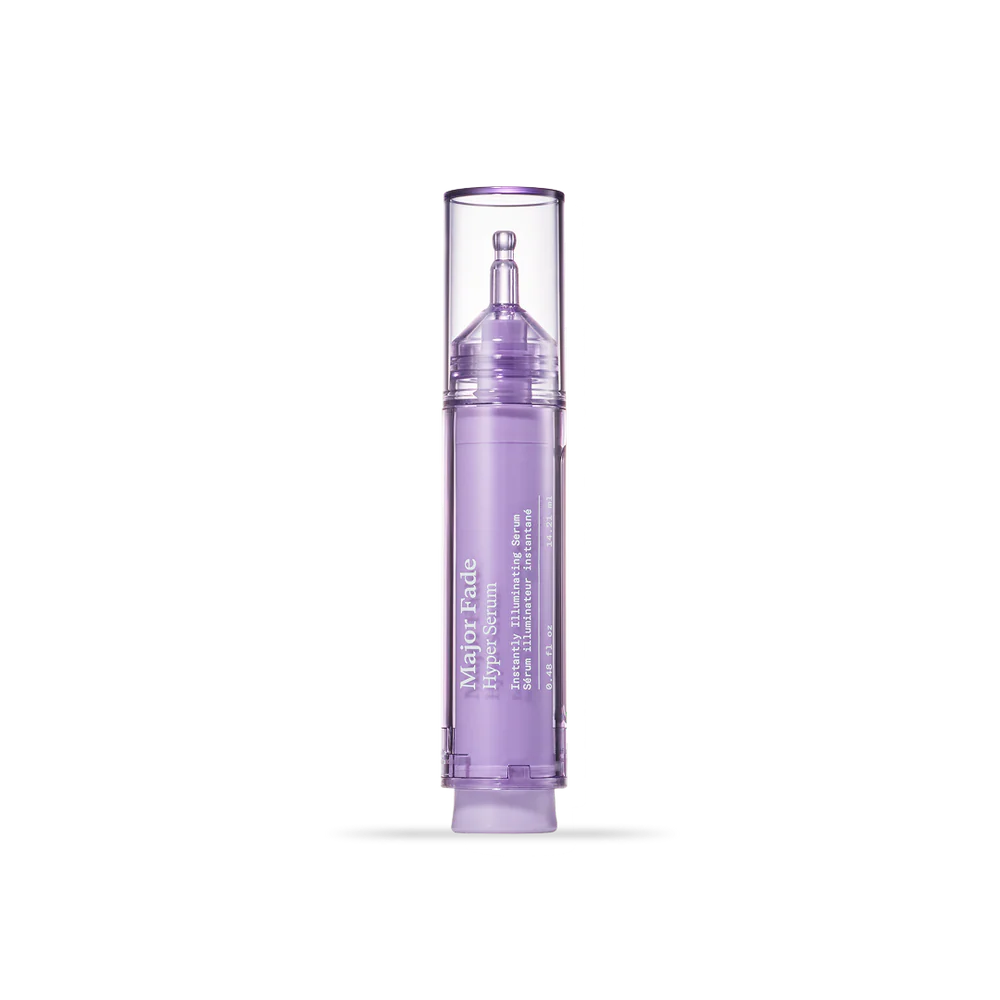
It layers cleanly under SPF and makeup and often feels hydrating enough to stand alone. Over two months, users reported more even tone and fewer dark spots. While fragrance free, the active trio can cause mild tingling early on; patch test if you’re sensitive.
Who it’s for: All skin types, including sensitive and acne prone, targeting PIH and uneven tone. Especially well tolerated on melanin rich skin and easy to slot into daily routines.
Alpha Arbutin: Fades existing dark spots.
Kojic Acid: Helps slow new pigment formation.
Niacinamide (5%): Calms and supports barrier.
Tip: Apply SPF 30+ every morning.
Tip: Introduce slowly if you use retinoids.
8. SkinMedica Even & Correct Dark Spot Cream
A potent, precise spot treatment that goes to work quickly on stubborn patches. Its silky, silicone based base helps it cling to the area you want to treat without pilling under daytime sunscreen or makeup.
Best for: Stubborn spots on all tones

Clinical studies show meaningful improvement in sunspots and uneven tone, with some seeing fade by week two. Because it includes retinol, introduce gradually and avoid during pregnancy or breastfeeding. The finish stays smooth under mineral SPF.
Who it’s for: Normal, combo, and oily skin addressing PIH, melasma, and sun damage across all tones, including melanin rich complexions. Makeup compatible for daily wear.
LTN Complex (Tranexamic Acid, Niacinamide): Multitarget pigment pathways.
Retinol (0.25%) + Glycolic Acid: Boost turnover to lift discoloration.
How to use: Thin layer on spots at night.
Tip: Start 2-3x/week, build to nightly.
Tip: Daily tinted mineral SPF to protect results.
9. PCA Skin Pigment Gel Hydroquinone Free Dark Spot Treatment
A clear, quick drying gel that blends kojic, azelaic, and lactic acids for resurfacing plus brightening, with no hydroquinone needed. Dermatologist favorite for stubborn PIH.
Best for: Fading post acne marks and sun spots
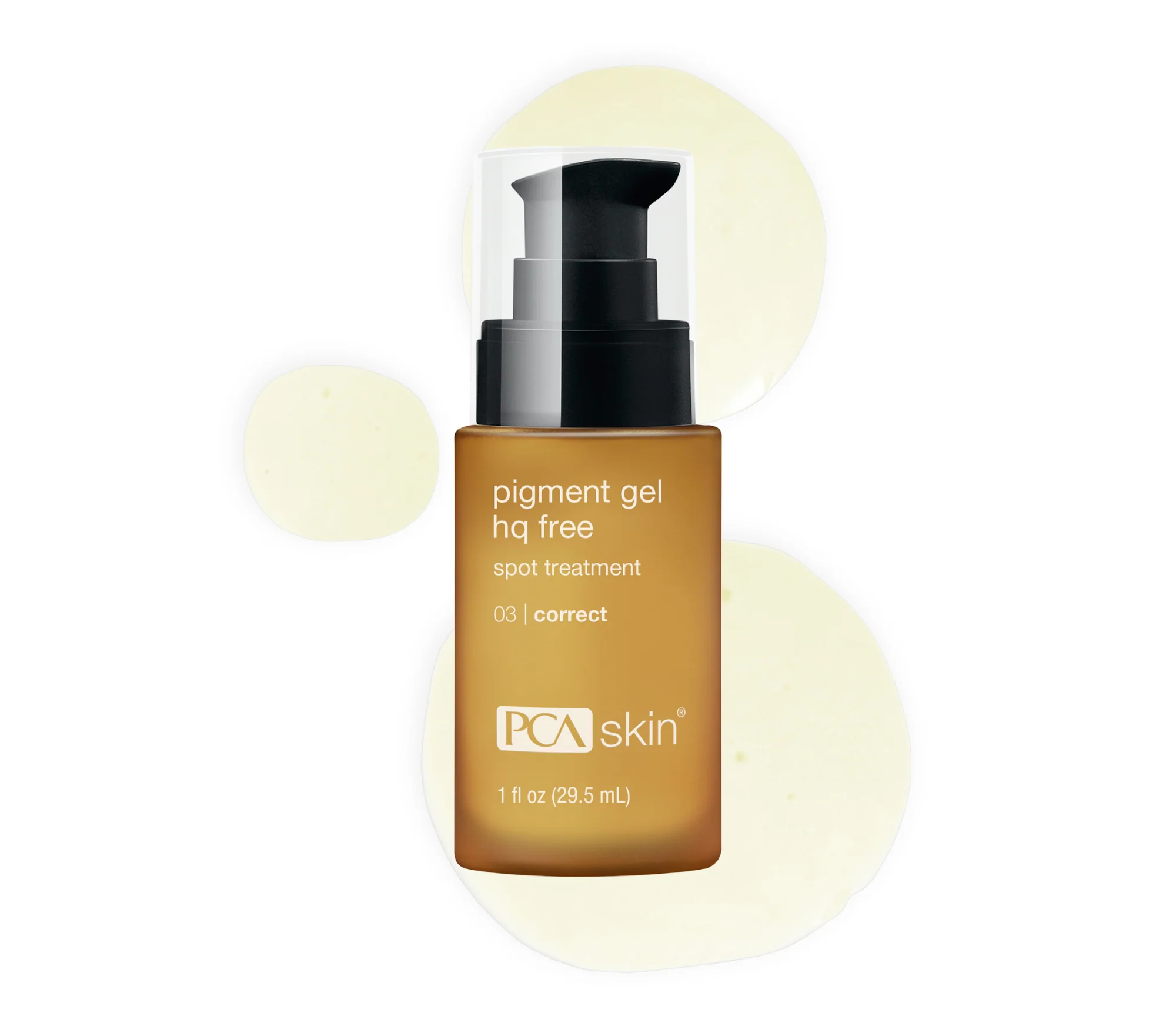
It absorbs in under a minute and layers seamlessly beneath moisturizer, mineral SPF, and makeup. With diligent sunscreen, most post acne marks fade within 4-8 weeks; more stubborn patches take longer. Note: the alcohol base gives the fast set but can feel drying. Patch test first.
Who it’s for: Normal, combo, and oily skin prone to PIH and sun spots. Effective and well tolerated on melanin rich complexions; tidy under makeup.
Kojic + Azelaic Acids: Inhibit excess pigment; calm inflammation.
Lactic Acid: Gentle AHA to nudge cell turnover.
How to use: Thin layer to spots once daily after cleansing.
Tip: Broad spectrum SPF 30+ is non negotiable.
10. CityGoo Dark Spot Remover
A wallet friendly brightener that blends proven, gentle actives to help fade discoloration on face and body. It’s hydroquinone free and designed to be fuss free in everyday routines.
Best for: Budget friendly brightening for melanin rich skin

The non greasy cream sinks in fast and behaves well under mineral SPF and makeup without pilling. While some promises skew optimistic at two weeks, ingredient data suggests clearer improvements around 4-8 weeks with consistent SPF. Check your label, as formulas can vary by seller.
Who it’s for: Normal, dry, and combo skin contending with PIH or melasma. Often tolerated by sensitive and acne prone skin (patch test first) and notably gentle on deeper complexions.
Tranexamic Acid: Calms pathways that lead to excess pigment.
Niacinamide: Strengthens barrier; evens tone.
Vitamin C: Antioxidant brightening.
Squalane + Panthenol: Light moisture and soothe.
Tip: SPF 30+ daily; avoid layering with strong acids.
11. SkinBetter Science Even Tone Correcting Serum
A high performance, hydroquinone and retinol free solution for stubborn discoloration that doesn’t compromise on comfort. Its proprietary tech targets brown patches from multiple angles.
Best for: Hydroquinone free melasma and dark spots
.png)
Lightweight and hydrating, it vanishes under mineral SPF and makeup without stickiness. In clinical use, improvements appear within 8-12 weeks of twice daily application. Fragrance and dye free in an airless pump for potency, an investment that rewards consistency.
Who it’s for: All skin tones, including melanin rich skin, dealing with PIH, sun spots, and melasma. Friendly to sensitive types and makeup wearers alike.
Alpha Arbutin: Gentle brightener for dark spots.
Hexylresorcinol: Evens overall tone.
Diglucosyl Gallic Acid: Antioxidant radiance booster.
How to use: Thin layer AM/PM before moisturizer.
Pro tip: Daily broad spectrum SPF is essential.
12. La Roche Posay MelaB3 Serum
A next gen approach to discoloration that intercepts extra melanin early. Melasyl teams up with 10% niacinamide to visibly correct persistent spots without altering your natural tone.
Best for: Stubborn spots on deeper tones
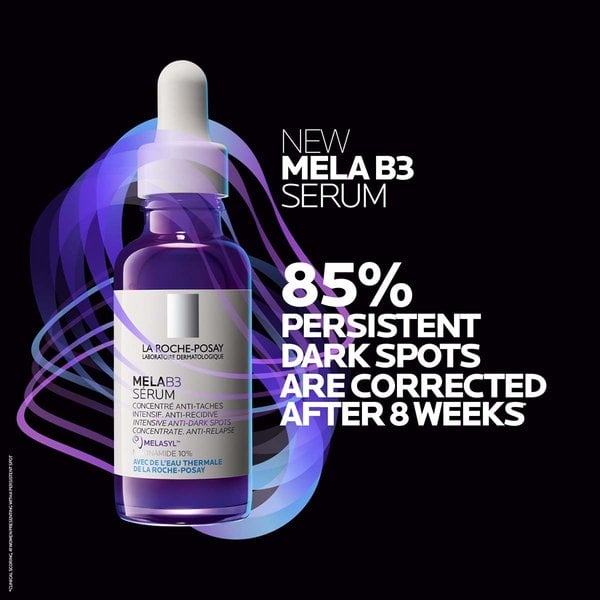
The silky texture absorbs quickly and wears well under mineral SPF and makeup; let it settle for a minute to avoid pilling. Expect radiance in two weeks and more significant fading by week eight, even on melanin rich skin. Lightly fragranced; patch test if very sensitive.
Who it’s for: All skin types, including sensitive and acne prone, tackling PIH and sun spots. Clinically tested across the full spectrum of skin tones.
Melasyl: Patented molecule that intercepts excess melanin.
Niacinamide (10%): Fades discoloration; supports barrier.
LHA: Gentle micro exfoliation.
How to use: 3-4 drops AM/PM on clean skin.
Pro tip: SPF 30+ daily to see and keep results.
13. SkinCeuticals Discoloration Defense
A watery, layerable serum that plays nicely under makeup and mineral sunscreen, making daily use effortless. It’s hydroquinone free yet potent on dark patches and PIH.
Best for: Post acne marks and melasma
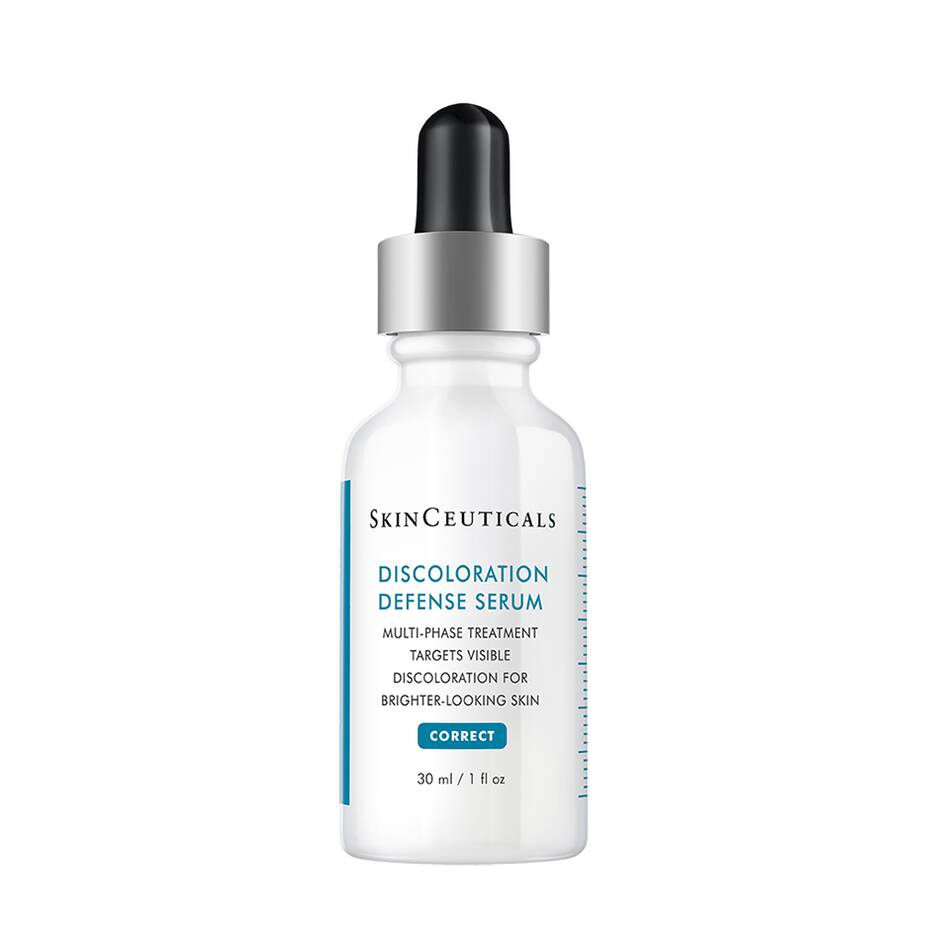
Some see early brightness in two weeks, but clinicals shine at 12 weeks with an average 60% improvement in stubborn patches and measurable PIH reduction on deeper tones. Mild tingling can occur from kojic acid and HEPES; avoid irritated areas and patch test first.
Who it’s for: All skin tones, including melanin rich, seeking to fade melasma, sun spots, and PIH. Elegant texture suits most skin types and sits invisibly under makeup.
3% Tranexamic Acid: Minimizes discoloration.
5% Niacinamide: Strengthens barrier; reduces unevenness.
1% Kojic Acid: Boosts overall brightness.
Tip: Daily SPF 30+ is critical.
Tip: Introduce slowly if using retinoids; skip other strong acids.
14. Topicals Faded Brightening & Clearing Serum
A multi acid, multi pathway formula that means business on stubborn marks. It pairs tranexamic, azelaic, and kojic acids with barrier helpers for noticeable brightening minus the drama.
Best for: Post acne marks on melanin rich skin

Brand studies show visible improvement in two weeks and stronger fading by week six. The updated unscented, creamy gel absorbs fast and layers well; let it fully sink in to prevent pilling with mineral SPF. It’s potent; alternate nights if you also use retinoids.
Who it’s for: Melanin rich complexions with PIH, sun spots, and mild melasma. Gentle, non comedogenic, and friendly to sensitive and acne prone skin in everyday routines.
Tranexamic Acid: Tones down stubborn discoloration.
Niacinamide: Supports barrier; reduces blotchiness.
Azelaic + Kojic Acids: Brighten PIH; calm inflammation.
Tip: SPF 30+ daily to protect progress.
Tip: Alternate nights with retinoids/strong acids.
15. Hyper Skin Hyper Even Vitamin C Serum
A thoughtfully formulated vitamin C brightener created with melanin rich skin in mind. It marries a stable 15% vitamin C with pigment modulators for visible clarity without compromising daily wear.
Best for: Fading post acne marks
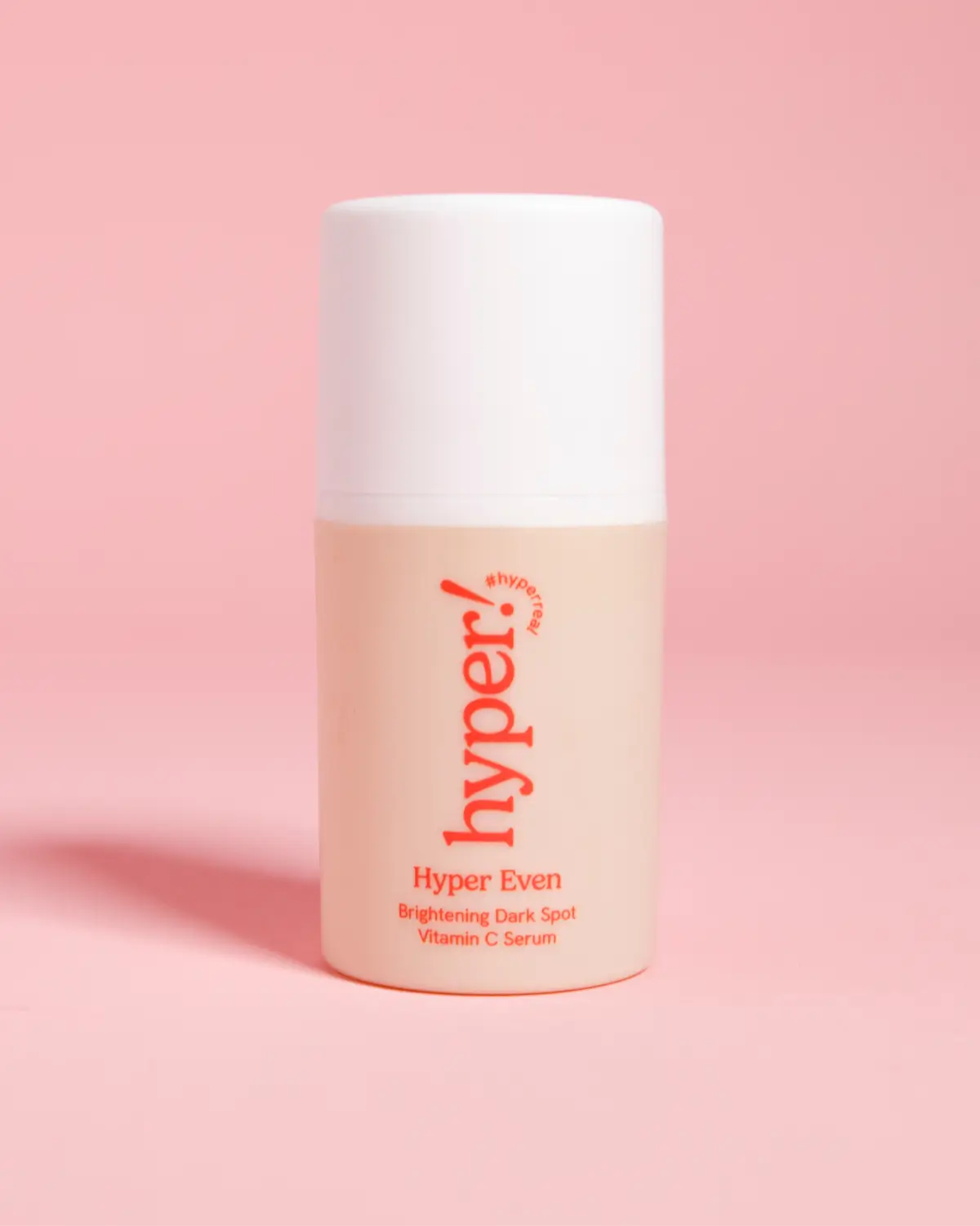
Expect a light, scent free gel that disappears under mineral sunscreen and makeup with no pilling. Airless packaging helps keep the formula fresh. With steady use, most see clearer, brighter tone over 4-8 weeks; patch test if highly sensitive to acids.
Who it’s for: Normal, combo, and oily skin dealing with PIH from breakouts. Formulated for deeper tones but effective across all complexions seeking an even tone.
15% Vitamin C (3 O Ethyl Ascorbic Acid): Brightening antioxidant.
Kojic Acid: Helps fade visible discoloration.
Licorice + Bearberry: Soothe and even tone.
Salicylic Acid: Keeps pores clear.
Tip: Apply in the AM; follow with SPF 30+.
Special Considerations: Pregnancy and Dark Spots
Hormonal changes during pregnancy can often trigger melasma, a type of hyperpigmentation. However, many common dark spot fighting ingredients like retinoids and hydroquinone should be avoided.
Pregnancy Safe Dark Spot Treatments
If you are pregnant or breastfeeding, opt for products with the following ingredients, but always consult your doctor before starting a new product.
Azelaic Acid: A top recommendation for treating melasma and hyperpigmentation during pregnancy. It’s both effective and considered safe for use.
Vitamin C: A powerful antioxidant that can help brighten skin and fade discoloration.
Niacinamide: This gentle ingredient is great for improving skin tone and is safe to use during pregnancy.
Kojic Acid: Derived from mushrooms, kojic acid can be an effective natural skin brightener.
Advanced & Professional Options
For very stubborn or deep hyperpigmentation, you might consider prescription treatments or professional procedures.
Tretinoin for Dark Spots
Tretinoin, a prescription strength retinoid, is highly effective for hyperpigmentation. It works by accelerating skin cell turnover, which helps to shed pigmented cells and reveal a more even skin tone. It also boosts collagen production. Because it is potent, tretinoin must be prescribed by a doctor and introduced slowly to minimize irritation. It also increases sun sensitivity, making daily sunscreen use absolutely essential.
IPL (Intense Pulsed Light) Treatment
IPL is a non invasive light therapy that targets dark spots. It uses a broad spectrum of light to heat and break down melanin in the skin. The body then naturally clears away the fragmented pigment, causing sun spots and other discoloration to fade. Multiple sessions are usually required for the best results. IPL is most effective for individuals with lighter to medium skin tones.
Prevention: Your First Line of Defense
While a good dark spot corrector can reverse visible damage, prevention is equally important. Sun exposure is the number one cause of new dark spots and can darken existing ones.
Daily use of a broad spectrum mineral sunscreen is the most critical step you can take. Look for formulas with non nano zinc oxide that provide protection without leaving a white cast, a common concern for those with deeper skin tones. For a lit from within, priming finish that layers well under makeup, consider Hueguard Glotion Mineral Sunscreen SPF 50. The Live Tinted Hueguard line was specifically designed to offer effective, blendable sun protection that doubles as a moisturizer and primer. If you prefer light coverage with your SPF, try Hueguard Skin Tint SPF 50 Mineral Sunscreen.
A Note on Blue Light and Hyperpigmentation
Emerging research suggests that blue light, emitted from the sun and our digital screens, can also contribute to hyperpigmentation, particularly in deeper skin tones. This high energy visible (HEV) light penetrates the skin and can generate free radicals, leading to oxidative stress and increased melanin production.
To protect your skin, look for mineral sunscreens containing ingredients like iron oxides, often found in tinted formulas, which can help block blue light. Antioxidants such as Vitamin C and niacinamide can also help neutralize free radical damage caused by blue light exposure.
A Brighter, More Even Complexion is Achievable
Fading dark spots requires patience and the right products, but achieving a radiant, even toned complexion is entirely possible. By choosing a dark spot corrector with proven ingredients, using it consistently, and committing to daily sun protection, you can effectively diminish the appearance of hyperpigmentation. Ready to find solutions that celebrate your skin tone? Explore the community and discover purposeful formulas at Live Tinted.
Frequently Asked Questions About Dark Spot Correctors
How long does it take for a dark spot corrector to work?
With consistent use, most people begin to see visible improvement in 4 to 8 weeks. Deeper or older spots may take longer to fade.
Can I use a dark spot corrector every day?
Yes, most dark spot corrector products are designed for daily use, typically once or twice a day. Always follow the product’s specific instructions for the best results.
Will a dark spot corrector lighten my natural skin tone?
No, a properly formulated dark spot corrector targets areas of excess pigment. It will not bleach or lighten your overall natural complexion.
What is the difference between a dark spot corrector and a color corrector?
A dark spot corrector is a skincare product with active ingredients that work to fade hyperpigmentation over time. A color corrector, like the award winning Live Tinted Huestick Color Corrector, is a makeup product that uses color theory to instantly neutralize the appearance of discoloration, such as dark circles or spots, under your foundation or concealer.
Do I still need to use sunscreen with a dark spot corrector?
Absolutely. Sunscreen is essential. UV exposure can reverse your progress and cause new spots to form. Using a dark spot corrector without daily SPF protection is counterproductive.
Can I use a vitamin C serum and a dark spot corrector together?
It depends on the formulas. If your dark spot corrector already contains Vitamin C or other strong acids, adding another potent serum could cause irritation. If they feature different, complementary ingredients, you can often layer them. If you’re missing vitamin C in your routine, consider the 15% Vitamin C Serum Stick, but it’s best to introduce new products slowly.