

Best Water Resistant Sunscreen for Sensitive Skin 2026
Posted by Live Tinted on
The best water resistant sunscreen for sensitive skin is a mineral-based formula that offers broad-spectrum SPF 30+ protection and a high water-resistance rating without common irritants. These gentle yet effective sunscreens prevent sunburn without causing redness, stinging, or breakouts. This guide breaks down exactly what to look for, from soothing mineral filters like zinc oxide to reliable water-resistance labels, so you can enjoy the sun without worry.
Mineral vs. Chemical Filters: What’s Easiest on Sensitive Skin?
When choosing a sunscreen, the active ingredients, or “filters,” are what matter most. There are two main types: mineral and chemical.
For sensitive skin, dermatologists often recommend mineral sunscreens. These formulas use active ingredients like zinc oxide and titanium dioxide. Instead of being absorbed, these minerals sit on top of your skin, forming a physical barrier that reflects and scatters harmful UV rays.
Benefits of Mineral Sunscreens for Sensitive Skin:
Less Irritation: Because they aren’t absorbed into the skin, mineral filters are less likely to cause irritation, stinging, or allergic reactions.
Immediate Protection: They start working as soon as you apply them.
Soothing Properties: Zinc oxide, in particular, is known for being gentle and can even help soothe irritated skin.
Chemical sunscreens work differently. They use ingredients like avobenzone and oxybenzone that absorb into the skin. These ingredients convert UV radiation into heat and release it from your body. While effective, these filters are more likely to cause reactions in sensitive and reactive skin types.
Many modern mineral formulas, like those from Live Tinted, are designed to blend beautifully without leaving a white cast, a common concern with older mineral sunscreens.
Decoding Labels: Water Resistance, SPF, and Broad Spectrum Protection
A sunscreen label contains vital information. Understanding it helps you choose the best water resistant sunscreen for sensitive skin.
Water Resistance Explained
The FDA has strict guidelines for water resistance claims. You’ll never see the term “waterproof” because no sunscreen can provide 100% protection indefinitely when you’re swimming or sweating. Instead, you will see one of two ratings:
Water Resistant (40 Minutes): The sunscreen maintains its SPF level for up to 40 minutes of water immersion.
Very Water Resistant (80 Minutes): The sunscreen remains effective for up to 80 minutes in the water.
This rating is determined through rigorous testing where volunteers are immersed in water for the specified time before their SPF is measured again. Always reapply after your time in the water is up, after towel drying, or at least every two hours. Live Tinted’s Hueguard Skin Tint SPF 50 and Hueguard Invisible Sunscreen Stick SPF 50 both offer 80-minute water and sweat resistance.
SPF and Broad Spectrum
SPF (Sun Protection Factor): This measures protection against UVB rays, the primary cause of sunburn. The American Academy of Dermatology recommends an SPF of 30 or higher, which blocks 97% of UVB rays.
Broad Spectrum: This is a crucial claim. It means the sunscreen protects you from both UVA (aging) and UVB (burning) rays. Unprotected UVA exposure contributes to premature aging and skin cancer.
Formula and Finish: Choosing Textures That Minimize Irritation
Beyond the active ingredients, the overall formula plays a huge role in how a sunscreen feels and reacts with your skin.
Look for Soothing Ingredients: Gentle formulas often include ingredients that support the skin barrier. Look for niacinamide to calm inflammation, hyaluronic acid for hydration, and ceramides to strengthen your skin’s protective layer.
Avoid Common Irritants: For sensitive skin, it’s best to choose sunscreens that are fragrance free and hypoallergenic. Fragrance is one of the most common causes of skin reactions.
-
Consider the Texture: The right texture is the one you’ll happily wear every day. If you prefer a luminous mineral finish for non-swim days, try Hueguard Glotion Mineral Sunscreen SPF 50.
Creams and Lotions: Often preferred for dry and sensitive skin because they can provide extra moisture.
Gels: Can feel lighter and may be a good choice for oily skin types.
Sticks: Excellent for easy, mess-free reapplication, especially around the eyes. For on-the-go touch-ups, try a clear stick like Hueguard Invisible Sunscreen Stick SPF 50.
How to Patch Test and Apply Sunscreen Without Irritation
Even with the most promising product, a patch test is a non negotiable step for sensitive skin. It helps you identify a potential allergic reaction before applying the product all over your face.
How to Perform a Patch Test
Choose a Spot: Apply a small, pea sized amount of sunscreen to a discreet area, like the inside of your forearm or behind your ear.
Wait and Observe: Leave the product on for at least 24 hours. Some experts recommend repeating the application for several days to spot delayed reactions.
Check for Reactions: Look for any signs of redness, itching, swelling, or irritation. If you see any, wash the product off immediately and do not use it. If your skin remains calm, the product is likely safe for you to use.
Application Tips for Sensitive Skin
Apply to Clean, Moisturized Skin: Applying moisturizer first can create a buffer, allowing the sunscreen to glide on more gently.
Pat, Don’t Rub: Gently pat or glide the sunscreen onto your skin. Aggressive rubbing can cause friction and irritation.
Use Enough: A common mistake is not applying enough sunscreen. The general rule is about a nickel sized dollop for the face alone.
Apply Before You Go Out: It takes about 15 minutes for sunscreen to properly absorb and provide protection. Mineral sunscreens work immediately, but it’s still a good practice to apply ahead of time.
Top 5 Best Water-Resistant Sunscreens for Sensitive Skin
Finding a high-performance formula that stands up to sweat and water without triggering irritation is a significant challenge for those with reactive complexions. This curated list focuses on mineral-based sunscreens that offer reliable water resistance while remaining free from common allergens and harsh chemical filters. These products are grouped together for their ability to provide durable protection during outdoor activities without compromising on skin comfort or safety.
1. Live Tinted Hueguard Skin Tint SPF 50 (Mineral)
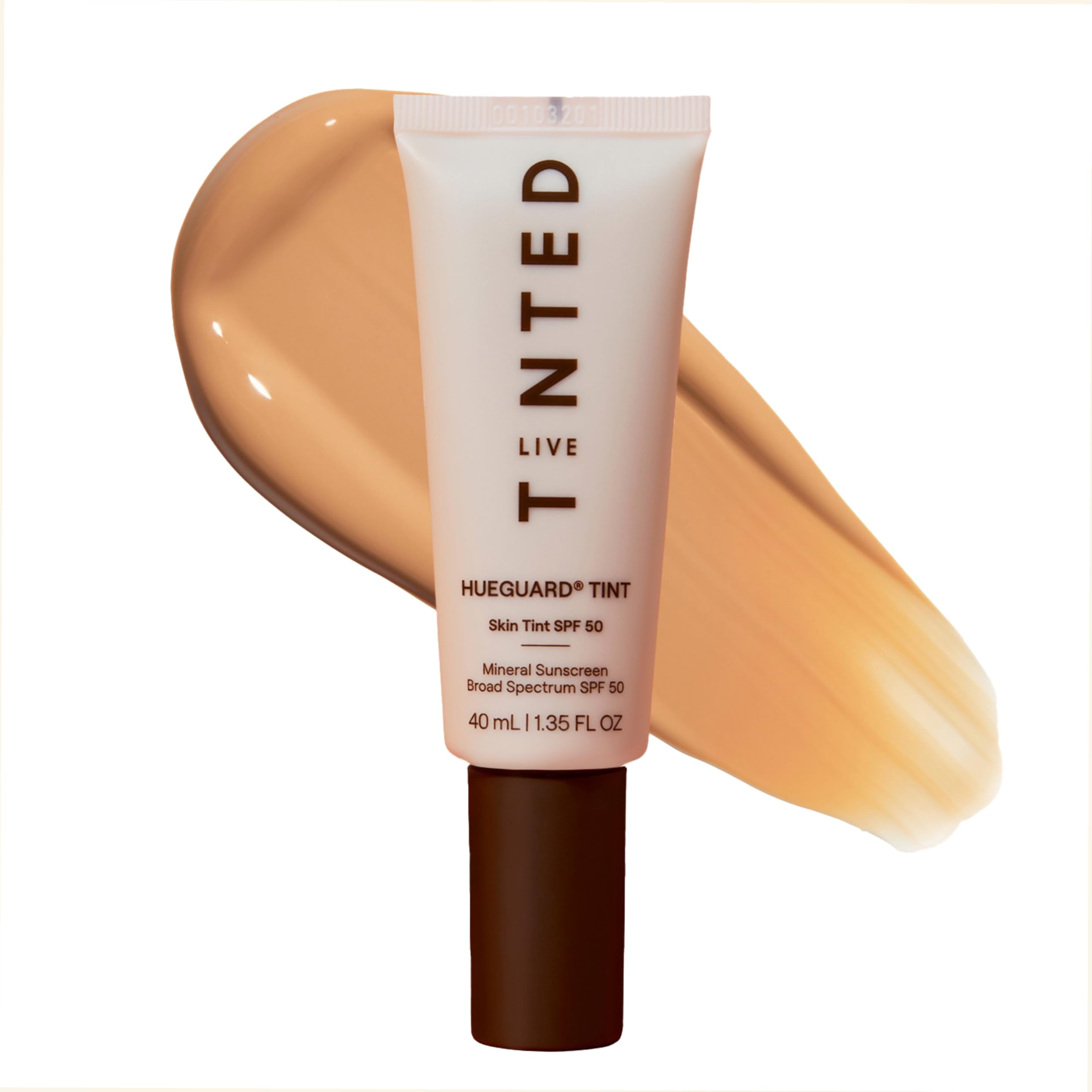
A rare mineral SPF that truly behaves like skin, Hueguard’s gel-cream tint glides on, evens tone, and disappears on melanin-rich complexions with no gray flash. The non-nano zinc base is fragrance-free and dermatologist-tested, so it’s gentle on reactive, acne-prone, or post-procedure skin. Its 80-minute water resistance makes it a reliable pick for sweaty workouts or beach time, while iron oxides help defend against visible light, which is useful if you’re guarding against dark spot rebound. For targeted fade, pair it with the Superhue Hyperpigmentation Serum Stick.
Fast Facts
Type: Mineral, tinted
UV Filters (actives): Zinc Oxide 9.5%
Water Resistance: 80 minutes
Tint / No White Cast: Yes (13 flexible shades)
Fragrance-Free: Yes
Finish/Feel: Natural-radiant; lightweight gel-cream
Wear Notes
Spreads best over a light moisturizer; sets quickly without pilling under makeup and remains comfortable through sweat. Reapplies cleanly without caking, keeping coverage even and cast-free on medium-deep to deep tones.
Best For
Sensitive, melanin-rich, and acne-prone skin wanting water-resistant mineral protection with real tint payoff and zero chalkiness.
“On my deep skin, it blended like a true tint and stayed comfy through a humid workout.”
2. Blue Lizard Sensitive Mineral Sunscreen
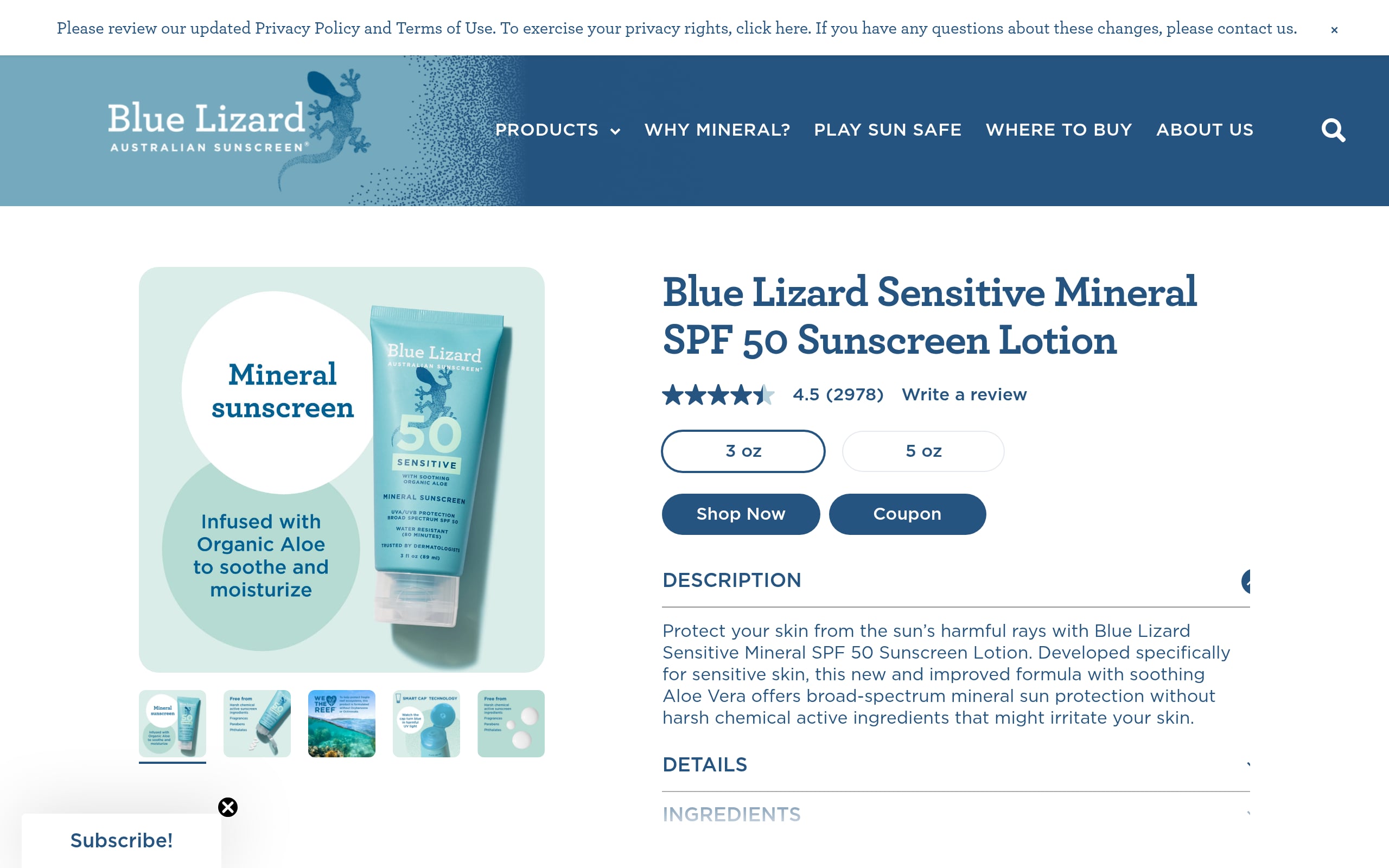
Built for reactive skin and long water days, this fragrance-free classic uses only mineral filters and still spreads smoothly. The creamy lotion sets to a natural, non-greasy feel that won’t sting eyes or irritate eczema-prone areas. While untinted minerals can leave a whisper of cast on deeper tones, applying in sections over moisturizer helps it melt down to a near-clear finish.
Fast Facts
Type: Mineral
UV Filters (actives): Zinc Oxide 10%, Titanium Dioxide 8%
Water Resistance: 80 minutes
Tint / No White Cast: Untinted; minimal cast on some tones
Fragrance-Free: Yes
Finish/Feel: Natural, non-greasy lotion
Wear Notes
Reliable for pool, surf, and sweat. Reapply generously after 80 minutes of water exposure or towel-drying. Plays well on body and face; for deeper complexions, pair with a touch of bronzer if desired.
Best For
Sensitive and allergy-prone skin needing dependable, full-body mineral protection for long swim or sport sessions.
“Comfortable through a swim with no stinging; the cast was minimal with a satin finish.”
3. La Roche-Posay Anthelios Ultra-Light Mineral Sunscreen
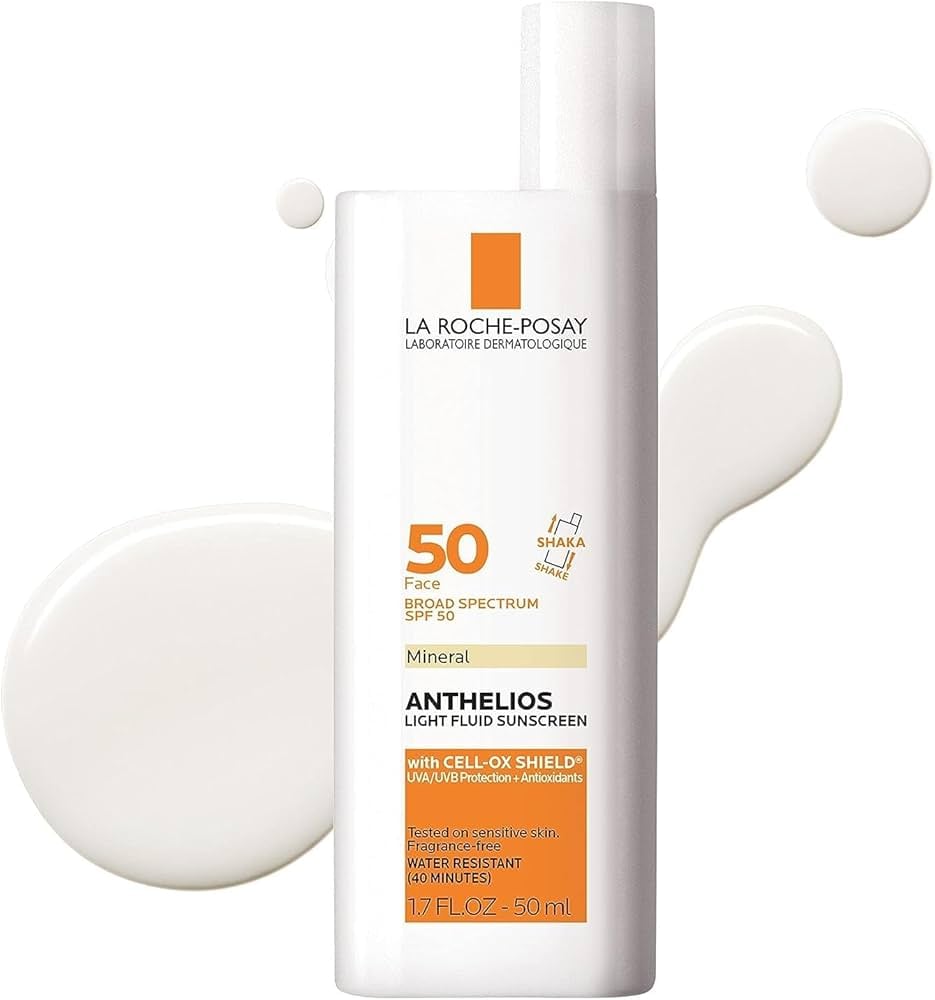
This featherweight mineral fluid is a standby for sensitive skin that also flatters melanin-rich tones. The tint (now in multiple flexible shades) helps neutralize the typical mineral cast and adds iron oxide support against visible light, which is key for hyperpigmentation concerns. Despite its barely-there feel, it hangs on through humid walks or light workouts thanks to 40-minute water resistance.
Fast Facts
Type: 100% Mineral
UV Filters (actives): Titanium Dioxide, Zinc Oxide
Water Resistance: 40 minutes
Tint / No White Cast: Tinted; four flexible shades
Fragrance-Free: Yes
Finish/Feel: Weightless, soft-matte, fast-absorbing
Wear Notes
Glides over skincare without pilling, grips makeup like a primer, and stays breathable in heat. Reapply for prolonged sun or after sweating; the fluid texture layers without heaviness.
Best For
Sensitive, acne-prone, and melanin-rich skin seeking a lightweight, water-resistant mineral tint with minimal cast.
“The Medium-Deep shade blended without a gray cast and stayed put through a humid walk.”
4. Colorescience Sunforgettable Total Protection Face Shield Flex SPF 50
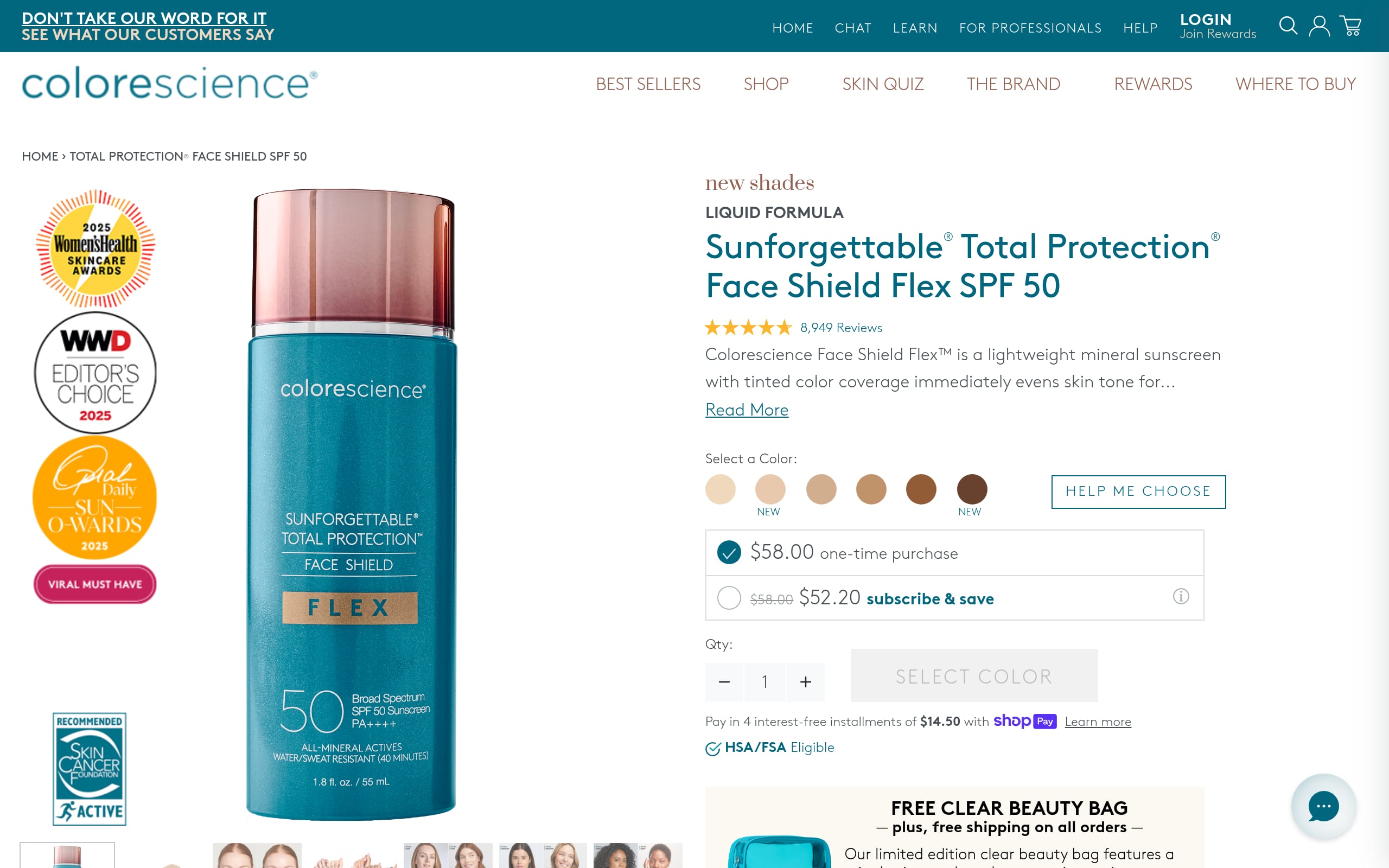
Makeup-smart coverage meets mineral SPF in a formula that flatters deeper complexions. Flex applies like a true skin tint, offering tone-correcting with light-to-medium coverage and a demi-matte finish that resists shine without feeling tight. The iron oxide tint helps counter visible light, a plus for hyperpigmentation-prone skin. While it’s not water-resistant, it handles humid commutes and light sweat gracefully.
Fast Facts
Type: 100% Mineral
UV Filters (actives): Zinc Oxide 12%
Water Resistance: None
Tint / No White Cast: Yes; 6 flexible shades
Fragrance-Free: Yes
Finish/Feel: Natural demi-matte; lightweight lotion
Wear Notes
Great daily choice under makeup or solo. If you’re swimming or doing intense workouts, swap to a water-resistant option and use this for office-to-errands days.
Best For
Sensitive and melanin-rich skin wanting makeup-like coverage from an all-mineral SPF for non-aquatic, everyday wear.
“On my deep brown skin, the Rich Deep shade looked seamless with zero cast, even in humidity.”
5. Vanicream Facial Moisturizer with SPF 30
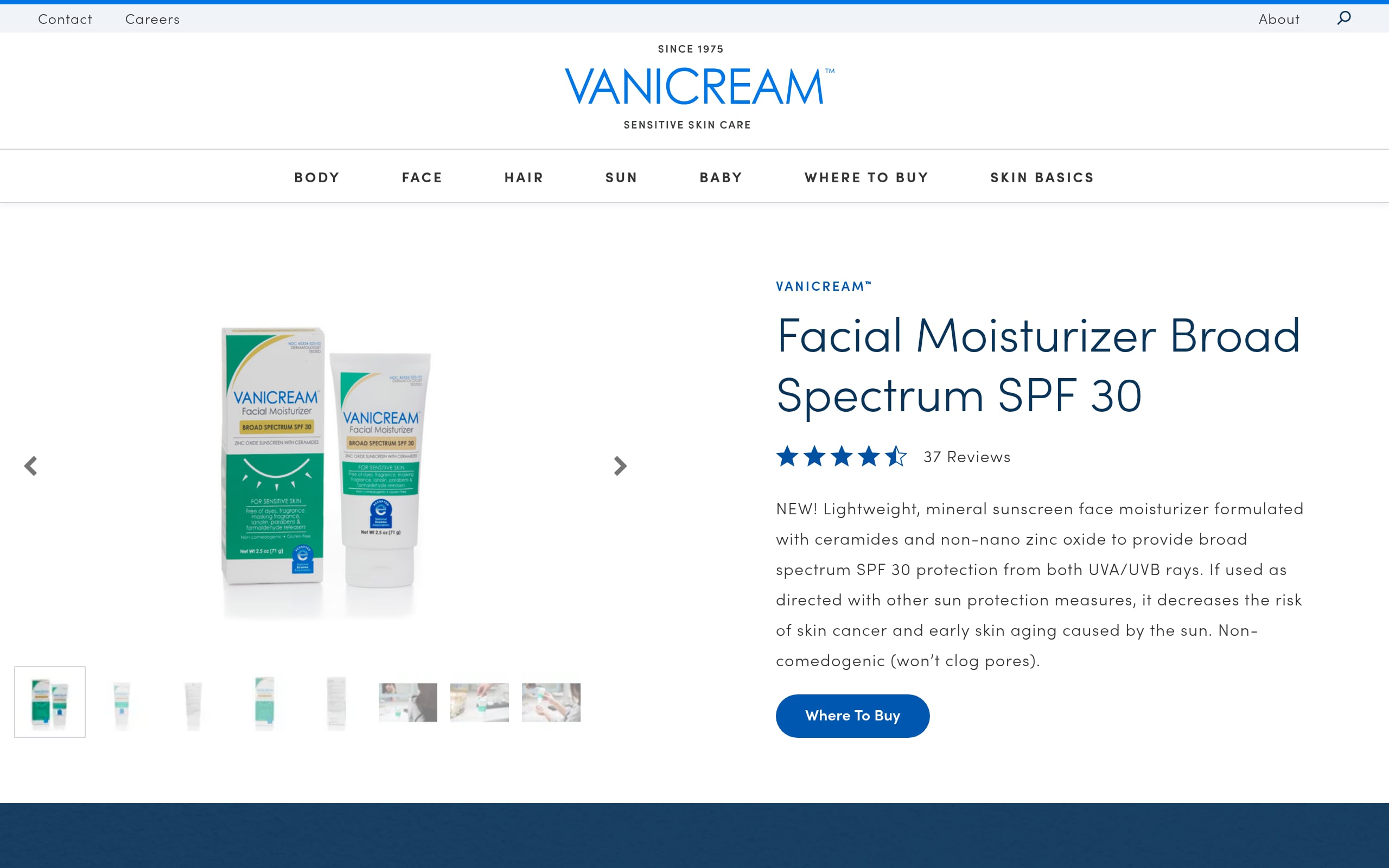
When your skin rejects almost everything, this minimalist mineral SPF-meets-moisturizer steps in. It relies on 19.5% zinc oxide with barrier-supporting ceramides and squalane, absorbing quickly without greasiness or fragrance. Untinted means some cast on deeper tones is possible, but applying in thin layers helps it settle more sheerly.
Fast Facts
Type: Mineral
UV Filters (actives): Zinc Oxide 19.5%
Water Resistance: None
Tint / No White Cast: Untinted; may leave a cast on deeper tones
Fragrance-Free: Yes
Finish/Feel: Lightweight, non-greasy cream
Wear Notes
Best for office days, short commutes, and reapplication at your desk. For exercise or water, switch to a water-resistant formula; this shines as a daily, ultra-gentle option.
Best For
Extremely sensitive, reactive, or acne-prone skin needing a simple daily moisturizer with SPF for non-sweaty, casual wear.
“On my deep, sensitive skin, it’s calm and comfy, making it perfect for desk days, not beach days.”
Conclusion: Your Gentlest Path to Reliable, Water Resistant Protection
Finding the best water resistant sunscreen for sensitive skin doesn’t have to be a painful process of trial and error. By prioritizing mineral filters like zinc oxide, decoding labels for true water resistance and broad spectrum protection, and always performing a patch test, you can stay protected without irritation. Look for formulas packed with skin loving ingredients and avoid common triggers like fragrance. With the right knowledge, you can confidently choose a product that shields your delicate skin through every swim, workout, and sunny day.
Ready to find a sunscreen that loves your skin back? Explore gentle, inclusive options like the Hueguard Daily Defense Sunscreen Set.
FAQ
1. What makes a sunscreen good for sensitive skin?
The best sunscreens for sensitive skin are typically mineral based, using zinc oxide or titanium dioxide, which are less likely to cause irritation. They should also be fragrance free, hypoallergenic, and formulated with soothing ingredients like niacinamide or hyaluronic acid.
2. Can a water resistant sunscreen still irritate my skin?
Yes, it can. Water resistance refers to how long the SPF stays effective in water, not its potential for irritation. If a water resistant formula contains chemical filters, fragrances, or other ingredients your skin is sensitive to, it can still cause a reaction. This is why choosing the best water resistant sunscreen for sensitive skin involves looking at the entire ingredient list.
3. Is mineral sunscreen truly water resistant?
Absolutely. Mineral sunscreens can be formulated to be just as water resistant as their chemical counterparts. Products like the Live Tinted Hueguard Skin Tint SPF 50 are mineral-based and offer 80 minutes of water resistance, proving that gentle protection can also be durable.
4. How often should I reapply a water resistant sunscreen?
You should reapply at least every two hours, and more frequently after swimming, sweating, or towel drying. Even if your sunscreen is rated for 80 minutes of water resistance, that timer resets once you get out of the water and dry off.
5. Will a mineral water resistant sunscreen leave a white cast?
While older mineral formulas were known for leaving a white cast, many modern sunscreens are designed to blend seamlessly into a wide range of skin tones. Tinted mineral sunscreens or those with micronized zinc oxide offer excellent protection without the chalky finish, making them a great choice for deeper skin tones.
6. What is the best water resistant sunscreen for sensitive skin that is also acne prone?
For skin that is both sensitive and prone to acne, look for a non comedogenic mineral sunscreen. These formulas won’t clog pores. Lightweight lotions or gel textures are often a good choice, and zinc oxide can have soothing properties that may even help calm breakouts.
7. Do I need to wear water resistant sunscreen every day?
You don’t necessarily need a water-resistant formula for a typical day at the office. On desk days, a mineral moisturizer-primer like Hueguard 3-in-1 Mineral SPF 30 works well; if your routine involves sweat or water, switch to a water-resistant formula.
8. Is a higher SPF better for sensitive skin?
Dermatologists recommend an SPF of 30 or higher for adequate protection. While SPF 50 offers slightly more UVB protection than SPF 30 (98% vs. 97%), the most important factor is consistent application and reapplication. For sensitive skin, the gentleness of the formula is more critical than an extremely high SPF number.