

Do Dark Spot Correctors Work? 2026 Guide + 15 Top Picks
Posted by Live Tinted on
If you are wondering, “do dark spot correctors work,” the short answer is yes. For most people, dark spot correctors are effective when they contain proven active ingredients and are paired with daily sunscreen. Dark spots are areas of excess pigment that linger after acne, sun exposure, or hormonal shifts. You might see them called post acne marks, sun spots, or melasma. Correctors aim to fade this extra pigment by calming the pigment signal, slowing pigment production, speeding cell turnover, and blocking new triggers like UV and visible light. This guide walks through the science, timelines, ingredients that matter, and how to pick and use one the right way for your skin tone. For an inclusive routine that puts melanin rich needs first explore options from Live Tinted.
How Dark Spot Correctors Work and How Long It Takes
The effectiveness and timeline for dark spot correctors depend on the type of spot and your consistency.
Early brightness or smoother tone can start in 2 to 4 weeks
Noticeable fading of post acne marks is common by 8 to 12 weeks
Melasma is more stubborn and often needs 3 months or longer
Deeper dermal pigment may require prescription or in office care
Helpful facts to set expectations:
Skin cell turnover averages about 28 days in younger adults and slows with age, so visible change takes multiple cycles.
Daily SPF 30 blocks about 97 percent of UVB, and SPF 50 blocks about 98 percent, which prevents new spots from forming as old ones fade.
UVA passes through windows and drives pigment, which is why indoor protection matters.
Visible light can deepen pigment in deeper complexions; a tinted mineral SPF with iron oxides helps block it.
Niacinamide at 4 to 5 percent has been shown to improve hyperpigmentation in about 8 weeks.
Alpha arbutin can inhibit tyrosinase, the enzyme central to melanin production.
Vitamin C in stable forms reduces oxidized pigment and supports an even tone.
Azelaic acid helps calm inflammation and decreases post acne marks.
Retinoids increase turnover which helps lift surface pigment.
People with deeper skin tones have more active melanocytes, so avoiding triggers and irritation is critical.
If you still ask do dark spot correctors work, remember that results rely on daily use and strict sun protection. No single product can outpace unprotected sun or heat exposure.
Why Certain Ingredients Work: The Science Behind Key Actives
The best answer to “do dark spot correctors work” is found in their ingredient lists. These are the workhorse actives and how they help.
Ingredient |
What it does |
Who benefits |
Notes |
|---|---|---|---|
THD vitamin C |
Lipid soluble antioxidant that brightens and supports collagen |
Most skin types, sensitive friendly |
More stable than classic L ascorbic acid at neutral pH |
Niacinamide |
Reduces transfer of pigment to skin cells, supports barrier |
Oily to dry, great for sensitive |
Often effective at 2 to 5 percent |
Alpha arbutin |
Slows tyrosinase activity to reduce new pigment |
All tones including melanin rich |
Works well with vitamin C and niacinamide |
Azelaic acid |
Anti inflammatory and pigment regulating |
Acne prone and sensitive |
OTC 10 percent is common, Rx strengths are higher |
Tranexamic acid |
Targets multiple pigment pathways |
Melasma prone and deeper tones |
Pairs well with vitamin C and niacinamide |
Retinol or bakuchiol |
Speeds turnover to lift surface pigment |
Most skin types with gradual build |
Bakuchiol is a gentle alternative for sensitive or pregnancy planning |
Kojic acid and licorice |
Brighten and calm pigment formation |
Stubborn spots and uneven tone |
Often used in blends to reduce irritation risk |
Sunscreen filters zinc oxide and iron oxides |
Block UV and visible light triggers |
All tones, vital for deeper complexions |
Needed every single day, reapply outdoors |
Live Tinted builds its fade and protect system around these mechanisms. The Superhue Hyperpigmentation Serum Stick blends niacinamide with THD vitamin C and bakuchiol for targeted use, and Superbright Vitamin C 15 percent adds alpha arbutin plus ferulic and vitamin E in a mess-free stick. Pair them with Hueguard mineral and tinted SPFs to lock in results. Explore the lineup at Live Tinted.
How We Selected and Tested Dark Spot Correctors: Methodology and Credibility
To answer “do dark spot correctors work” in a way that is useful, this guide considered three pillars.
Ingredient rigor: Products had to feature pigment regulating actives at credible levels, such as niacinamide, alpha arbutin, vitamin C derivatives, azelaic acid, or retinoids, plus broad spectrum SPF options.
Evidence: We prioritized formulas with clinical or consumer data and favored brands that share testing details.
Inclusivity and wear: We evaluated texture, cast, and layering on a range of tones from light medium to deep to very deep and looked at real life ease like on the go use.
For Live Tinted references we drew on published brand testing where available and hands on wear across multiple tones, especially for SPF cast and corrector blend. See the full assortment at Live Tinted.
Do Dark Spot Correctors Work? Top 15 That Deliver Results
Building on the fundamentals of hyperpigmentation care, this section tackles the big question about whether dark spot correctors actually work and then points you to 15 formulas that reliably move the needle. We grouped these picks because they pair proven brightening actives (like vitamin C, niacinamide, retinoids, tranexamic acid, and exfoliating acids) with strong consumer or clinical results across a range of budgets and skin types. Expect a mix of dermatologist-developed staples and buzzy newcomers, so you can choose what fits your routine without guesswork.
A dermatologist-designed, hydroquinone-free brightener that goes after pigment from formation to transfer, and then soothes the skin so you can actually stick with it. The silky cream-serum finish plays well with SPF and makeup, making twice-daily use easy.

Best for: Post-acne marks, sun spots; melasma maintenance; all tones, sensitive-friendly, fragrance-free, hydroquinone-free, non-comedogenic.
Why it works + results: Alpha arbutin and kojic acid inhibit tyrosinase (kojic also chelates copper), while niacinamide slows melanin transfer and calms redness. Diglucosyl gallic acid and licorice layer on antioxidant, brightening support. Expect glow by week four and more even tone by weeks 6 to 8. SPF keeps progress on track. A brief tingle is possible, so ease in and stay consistent.
-
Key ingredients + what they do:
Alpha arbutin: tyrosinase inhibition; spot fading.
Kojic acid: tyrosinase/copper chelator; boosts brightening.
Niacinamide: pigment-transfer control; barrier support.
Diglucosyl gallic acid: brightening; tone evenness.
Licorice extract: glabridin-rich; soothing pigment control.
-
How to use + pro tips:
Smooth 2 to 4 pumps AM/PM on dry skin; ramp usage; SPF daily.
Patch test 24 to 48 hours; avoid same-night strong acids/retinoids.
Limit over-exfoliation; sunscreen prevents rebound darkening.
A clever balm-to-serum stick that spot-treats like a pro and layers like a dream, Superhue glides precisely over stubborn marks without leaving a trace. The clear finish plays nicely under moisturizer, SPF, and makeup, and its multi-pathway formula was built with melanin-rich skin in mind. It delivers steady brightening with no chalkiness and no pilling.
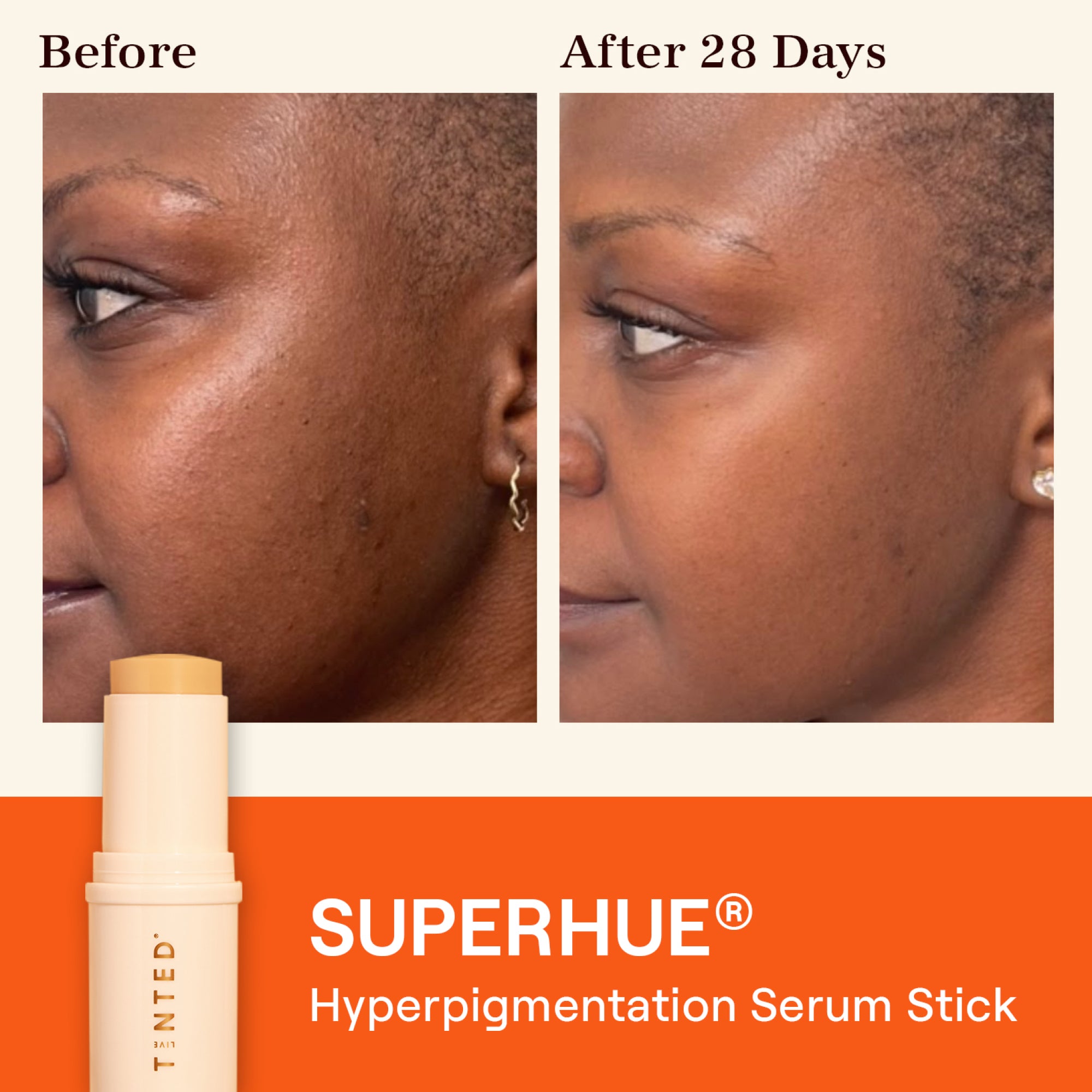
Best for: Post-acne marks, sun spots, melasma; melanin-rich combo/dry; fragrance-free; pregnancy-consult; generally sensitive-skin friendly.
Why it works + results: Niacinamide slows pigment transfer while THD vitamin C counters oxidative triggers; bakuchiol adds retinol-like renewal with gentler tolerance. Cetyl tranexamate mesylate and licorice temper melanogenesis, and a whisper of glycolic plus willow bark polishes dull buildup. In a three-week consumer study (n=27), 100% reported more radiance, 96% smoother texture, and 93% more even tone. Deeper marks often need 8 to 12 weeks. A brief tingle is normal, so be sure to patch test and ramp up.
-
Key ingredients + what they do:
Niacinamide: curbs melanin transfer; barrier support; tone evening.
THD vitamin C: stable antioxidant brightener; pigment defense.
Bakuchiol: retinol-like renewal with gentler tolerance.
Cetyl tranexamate mesylate + licorice, glycolic acid, willow bark: pigment modulation, tyrosinase inhibition, gentle exfoliation.
-
How to use + pro tips:
Swipe a thin layer over spots AM/PM; start every other day; SPF 30+ daily.
Patch test 24 to 48 hours; avoid same-night stacking with strong acids/retinoids.
For deeper tones, strict sunscreen (and hats) prevents rebound darkening.
Oil-free, fast-absorbing, and famously steady, this serum is a workhorse for uneven tone. It slips under everything, plays well with sensitive skin, and was formulated to brighten without the drama, making it ideal if you’re chasing stubborn sun and acne marks across any skin tone.
Best for: Sun and acne marks; all tones; oil-free, fragrance-free, sensitive-friendly; pregnancy-consult if pregnant.
Why it works + results: Clinique’s CL302 complex (featuring UP302) targets discoloration while an Interrupter blend soothes the inflammation that fuels new pigment. Ascorbyl glucoside and niacinamide brighten; salicylic acid and N-acetyl glucosamine gently loosen surface pigment. Expect early radiance in 2 to 4 weeks and clearer spots by 8 to 12 weeks. Brand testing shows tone improvement by 8 weeks. Mild tingling or dryness can happen. Consistency and SPF are non-negotiable.
-
Key ingredients + what they do:
UP302 (dimethoxytolyl propylresorcinol): tyrosinase modulation; targets discoloration.
Ascorbyl glucoside: antioxidant derivative; brightening.
Niacinamide: barrier support; tone evening.
N-acetyl glucosamine: complements niacinamide; gentle resurfacing.
Salicylic acid: BHA exfoliation; clears cellular buildup.
-
How to use + pro tips:
Smooth 1 to 2 pumps AM/PM before moisturizer; follow with SPF 30+.
If sensitive, start once daily; alternate nights with strong acids/retinoids.
Patch test; for deeper tones, avoid over-exfoliation and guard daily with sunscreen.
A milky, oil-free serum that leans into viniferine, a brightener from vine sap, to steadily even tone without the sting of classic acids. It sinks in quickly, layers seamlessly, and has earned a loyal following across skin tones for its gentle but persistent approach to dark spots.

Best for: Post-acne marks, sun spots; all tones (incl. melanin-rich), sensitive-leaning, oil-free, lightly-fragranced, pregnancy-suitable.
Why it works + results: Viniferine helps inhibit tyrosinase to curb excess melanin; Caudalie cites in-vitro data showing 62× the tyrosinase inhibition of vitamin C. In brand clinicals (56 days, twice daily), dark-spot intensity fell 63% overall and 81% among deeper skin tones. It’s comfortable under SPF/makeup and isn’t photosensitizing. Expect steady brightening by 6 to 8 weeks. Patch test if sensitive to fragrance.
-
Key ingredients + what they do:
Viniferine: tyrosinase inhibition; targets excess melanin.
Squalane: lightweight moisture; comfort without grease.
Glycerin: humectant hydration; boosts radiance.
Bisabolol: soothing; calms redness for better tolerance.
-
How to use + pro tips:
Apply 1 to 2 pumps AM/PM; follow with moisturizer; finish with SPF 30+.
Consistency matters: twice-daily use over about 8 weeks drove results in studies.
For deeper tones, go easy on exfoliation and patch test first.
Silky and non-sticky, this guava-powered serum layers under everything and leans on a fortified vitamin C system to brighten while calming the inflammation behind post-acne marks. Fragrance- and essential-oil-free, it’s built for daily use across skin types.

Best for: Post-acne marks, PIH, sun spots; all tones including melanin-rich; sensitive-safe, acne-prone, non-comedogenic.
Why it works + results: Five forms of vitamin C (including encapsulated) defend and downshift pigment formation; ferulic acid and vitamin E stabilize the blend. Tranexamic acid interrupts the inflammation-driven pathway tied to PIH and melasma. Brand testing: 90% saw hyperpigmentation improve at four weeks; most notice radiance by week four and stronger fading by weeks 8 to 12, always with daily sunscreen. A light tingle can occur, so patch test if you are reactive.
-
Key ingredients + what they do:
Five vitamin C forms: antioxidant brightening; encapsulation for stability.
Tranexamic acid: reduces inflammation-induced melanogenesis.
Ferulic acid + vitamin E: stabilize and synergize C.
Guava extract/seed oil, hexanoyl dipeptide-3: antioxidant support; gentle resurfacing.
-
How to use + pro tips:
Use 1 to 2 pumps after toner AM/PM or start 3 to 4x weekly.
Seal mornings with SPF 30+; reapply daily to prevent rebound darkening.
Alternate with strong acids/retinoids; patch test before full use.
A cushiony, fragrance-free milk that was made to fade spots, especially on melanin-rich skin, without the harshness of old-school bleaching agents. It dries clear, layers cleanly, and keeps the barrier happy while gradually dialing down discoloration.

Best for: Post-acne marks, sun spots; melanin-rich friendly; all types, sensitive skin; fragrance-free, hydroquinone-free.
Why it works + results: Niacinamide decreases pigment transfer and strengthens the barrier; encapsulated 3-O-ethyl ascorbic acid brightens with stability. Licorice and magnolia bark soothe the inflammation that fuels PIH, while gentle fruit enzymes nudge along surface renewal. Users on deeper tones report visible changes as early as 2 weeks; expect clearer tone by 8 to 12 weeks. A light tingle can happen, so patch test first.
-
Key ingredients + what they do:
Niacinamide: moderates pigment transfer; barrier support.
3-O-ethyl ascorbic acid: vitamin C brightener; antioxidant.
Licorice root: glabridin-rich; calms and fades.
Magnolia bark: anti-inflammatory; limits PIH triggers.
Bromelain, papain: enzymatic resurfacing.
-
How to use + pro tips:
Press 3 to 4 drops AM/PM onto damp skin; follow with SPF 30+.
If sensitive, start once daily and avoid same-night acids.
For deeper tones, keep exfoliation moderate and sunscreen consistent.
Featherlight and fragrance-free, this gel-serum leans on a gold-standard 5% niacinamide to smooth and even while brightening botanical allies take aim at dark spots. It sinks in fast, leaves no cast, and makes daily use feel effortless across tones.

Best for: Post-acne marks, sun spots; all tones, sensitive/acne-prone; fragrance-free, noncomedogenic, color-free, gentle gel-serum.
Why it works + results: Niacinamide reduces melanosome transfer and fortifies the barrier; ethylated vitamin C plus licorice inhibit tyrosinase and oxidative stress. Superfruits (camu camu, Barbados cherry) and green tea add antioxidant calm to help prevent new PIH. Most users report brighter, more even skin by eight weeks; expect subtle radiance earlier with steady SPF. Mild tingling can happen initially, so go slow.
-
Key ingredients + what they do:
Niacinamide 5%: pigment-transfer reduction; barrier support.
3-O-ethyl ascorbic acid: stable brightening; tyrosinase support.
Licorice extract: soothing; gradual fading support.
Camu camu, Barbados cherry: vitamin-rich antioxidants.
Green tea: antioxidant defense; helps prevent PIH flare-ups.
-
How to use + pro tips:
Apply 1 to 2 pumps AM/PM before moisturizer; SPF 30+ daily.
Start once daily if sensitive; alternate with strong acids/retinoids.
For melanin-rich tones, consider iron-oxide-tinted SPF for visible-light protection.
A drugstore staple that pairs retinol’s turnover power with vitamin C’s brightening shield, this gel-cream targets both lingering marks and texture. It dries clear, layers easily, and suits a wide range of tones without leaving residue.

Best for: Post-acne marks, sun spots; all tones including melanin-rich; normal/combination/oily; contains fragrance; not pregnancy-safe.
Why it works + results: Retinol speeds cell turnover to gradually disperse melanin, while ascorbyl glucoside converts to L-ascorbic acid to brighten and defend. The silicone-rich base glides on and vanishes under SPF/makeup. Neutrogena notes more even tone in about one week; stubborn spots typically need 4 to 12 weeks. Expect early dryness or flaking. If this happens, buffer with moisturizer and commit to sunscreen.
-
Key ingredients + what they do:
Retinol: accelerates turnover; disperses melanin; softens texture.
Ascorbyl glucoside: stable vitamin C; antioxidant brightening.
Sodium hyaluronate: hydrates; offsets retinol dryness.
Hinokitiol, glycerin, sodium PCA/lactate: soothing humectant blend.
-
How to use + pro tips:
Dot a pea-size nightly on spots; start 2 to 3 nights/week; increase as tolerated.
Avoid same-night acids, benzoyl peroxide, and other retinoids; SPF 30+ daily.
Patch test; deeper tones should prioritize strict sunscreen to prevent rebound.
A high-octane, PM-only fade cream that stacks retinol, glycolic acid, and a pigment-modulating complex for comprehensive spot targeting. It dries clear, slips under moisturizer, and shows momentum fast, provided you are diligent with next-morning SPF.
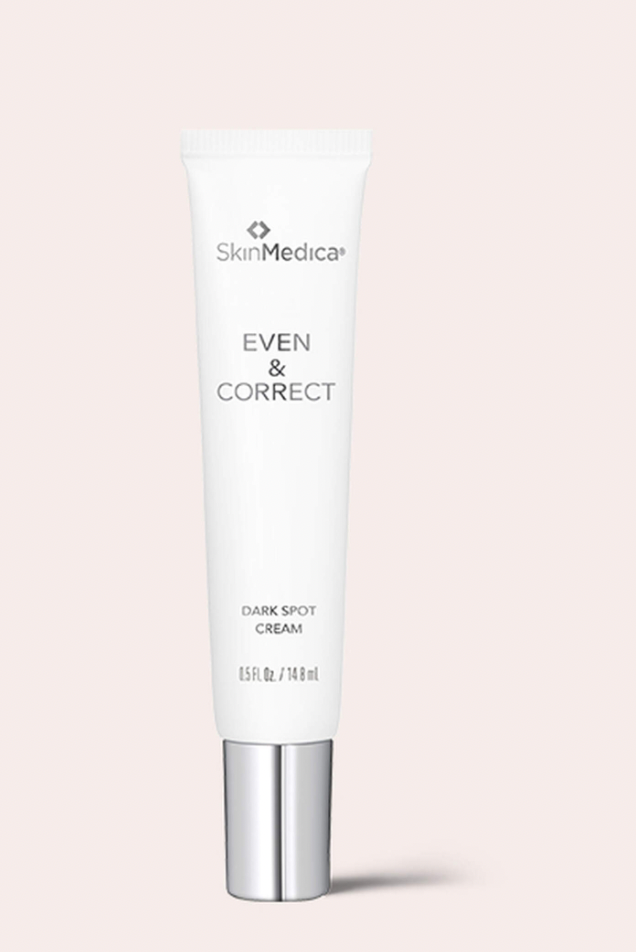
Best for: Post-acne marks, sun spots, melasma; all tones, most types; fragrance-free; not pregnancy-safe.
Why it works + results: The LTN Complex (lotus sprout, tranexamic acid, niacinamide) dials down pigment signaling and transfer. Retinol 0.25% plus glycolic acid accelerate turnover, while THD vitamin C, kojic dipalmitate, and phenylethyl resorcinol push tyrosinase inhibition further. Brand clinicals show improvement by 2 weeks, building through weeks 8 to 12. Tingling or dryness is normal, so keep sunscreen close.
-
Key ingredients + what they do:
LTN Complex: multi-pathway pigment modulation and tone evening.
Retinol 0.25%: turnover for faster lift of discoloration.
Glycolic acid: gentle resurfacing; smooths, boosts radiance.
THD vitamin C, kojic dipalmitate, phenylethyl resorcinol: tyrosinase-targeting brighteners.
-
How to use + pro tips:
PM only: dot a thin layer on spots after serums; start alternate nights.
Always apply SPF 30+ every morning; retinoids/AHAs heighten sun sensitivity.
Avoid stacking with other strong actives the same night; patch test first.
Clear and fast-drying, this spot gel takes a multi-pronged approach to lift discoloration, which includes tyrosinase inhibition, anti-inflammatory support, and gentle resurfacing without hydroquinone. It disappears under sunscreen and makeup and fits seamlessly into existing routines.

Best for: Post-acne marks, sun spots; all tones including melanin-rich; normal-combination; fragrance-free; tingle possible.
Why it works + results: Kojic acid inhibits tyrosinase; azelaic acid calms inflammation and down-regulates melanogenesis. Phenylethyl resorcinol hits tyrosinase/MITF pathways, while lactic acid speeds gentle turnover to lift pigment. Expect radiance in 2 to 4 weeks and clearer spots by 8 to 12 weeks. Melasma often needs longer plus tinted SPF for visible-light defense. Mild stinging or dryness can occur, so buffer and be consistent.
-
Key ingredients + what they do:
Kojic acid: tyrosinase inhibition; reduces excess melanin.
Azelaic acid: pigment modulation; anti-inflammatory.
Phenylethyl resorcinol: suppresses tyrosinase/MITF; potent brightener.
Lactic acid: AHA exfoliation; enhances penetration/turnover.
Glutathione: antioxidant defense; tone support.
-
How to use + pro tips:
After cleansing, apply a thin layer to spots AM/PM; moisturize; SPF 30+.
Start every other night if sensitive; buffer with hydrator; ramp up.
Skip on strong-acid/retinoid nights; patch test; choose tinted SPF daily.
A targeted rollerball you can stash anywhere, Lightning Wand delivers a sheer, fast-absorbing fluid that cools on contact and layers invisibly. It’s tailor-made for post-blemish marks and gives instant optical neutralization while the actives do the long game.
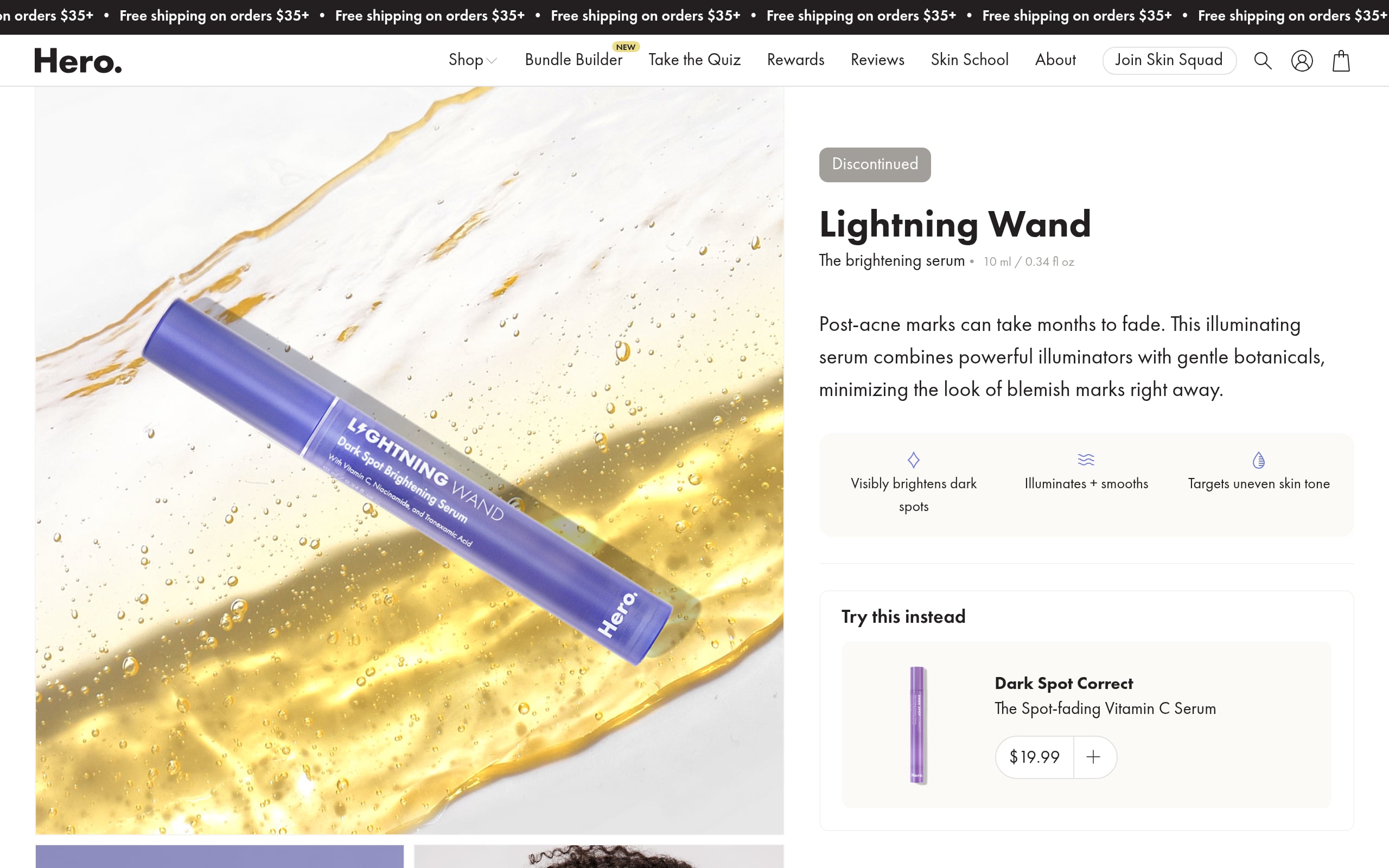
Best for: Post-acne marks; all tones; oily; fragrance-free.
Why it works + results: Tranexamic acid tamps down pigment signaling; niacinamide reduces melanin transfer and supports the barrier. 3-O-ethyl ascorbic acid brightens, while acetyl glucosamine teams with niacinamide for well-documented tone-evening synergy; a touch of glycolic helps actives penetrate. Expect glow in 2 to 4 weeks and more visible fading by 8 to 12 weeks with SPF. A mild tingle can happen, so start slow if you are reactive.
-
Key ingredients + what they do:
Tranexamic acid: moderates pigment signaling; PIH support.
Niacinamide: reduces transfer; strengthens barrier.
3-O-ethyl ascorbic acid: stable vitamin C brightener.
Acetyl glucosamine, glycolic acid, licorice: resurfacing and tyrosinase support.
-
How to use + pro tips:
Roll a small amount on spots AM/PM; let absorb 30 to 60 seconds; SPF 30+.
Start every other day if sensitive; avoid same-night acids/retinoids.
For deeper tones, keep sunscreen consistent to prevent rebound darkening.
A budget-friendly brightener with formula variations, CityGoo tackles dark spots from several angles, so check your box label to know which actives you’re getting. The lightweight cream sinks in fast and sits neatly under SPF and makeup with no cast.

Best for: Post-acne marks, sun spots, melasma; all tones; normal/combination/oily; low-fragrance, sensitive-friendly. Choose TXA when possible.
Why it works + results: Formulas may feature tranexamic acid and niacinamide (for melasma/PIH signaling and transfer), or 4-butylresorcinol with kojic acid (potent tyrosinase inhibition). Some include alpha arbutin and licorice; many add gentle AHAs for penetration. Expect brightening in 3 to 6 weeks and clearer spots by 8 to 12 weeks with strict sunscreen. Mild tingling is possible, but patience pays off.
-
Key ingredients + what they do:
Tranexamic acid: pigment-pathway modulation; melasma support.
4-Butylresorcinol: tyrosinase/TRP-1 inhibitor; stubborn patches.
Niacinamide (~5%): transfer reduction; calming, barrier support.
Kojic acid (≤1%): gentle tyrosinase inhibition.
Alpha arbutin; licorice: pigment modulation; soothing.
-
How to use + pro tips:
Smooth a pea-size AM/PM; start 3 to 4 nights weekly, then increase.
Apply after cleansing, before moisturizer; SPF 30+ every morning.
Patch test; avoid same-night strong acids/retinoids; tinted SPF for deeper tones.
Built as a daily brightener for normal/combination skin, this serum balances pigment control with antioxidant calm. It’s lightweight, absorbs fast, and sits cleanly under SPF, ideal for steady, cosmetic-grade improvements over a few months.

Best for: Post-acne marks, sun spots; normal/combination, melanin-rich skin; contains fragrance; avoid if sensitive.
Why it works + results: Niacinamide helps curb melanosome transfer, while kojic acid dipalmitate inhibits tyrosinase to slow new pigment. Hexylresorcinol adds another tyrosinase hit; resveratrol and green tea buffer oxidative triggers. Emollients (pomegranate seed oil, vitamin E) support tolerance. Expect subtle brightness in 4 to 8 weeks and clearer spots by 8 to 12 weeks. Many see change by 60 to 90 days. This product contains fragrance, so you should patch test and build up use slowly.
-
Key ingredients + what they do:
Niacinamide: pigment-transfer modulation; barrier support.
Kojic acid dipalmitate: tyrosinase inhibition.
Hexylresorcinol: potent brightener; complements niacinamide.
Resveratrol + green tea: antioxidant defense.
Pomegranate seed oil + vitamin E: emollient cushion; barrier help.
-
How to use + pro tips:
Apply a pea-size daily, then move to twice-daily as tolerated; SPF 30+.
Alternate nights with strong acids/retinoids; patch test if scent-sensitive.
For deeper tones, favor iron-oxide sunscreens to block visible light.
Gentle and fragrance-free, this acid-free option coaxes brighter skin by calming inflammation and nudging melanin pathways, which is ideal if your complexion reacts easily but you still want progress on post-blemish marks.

Best for: Melanin-rich, sensitive skin; post-acne marks, mild sun spots; fragrance-free, vegan.
Why it works + results: Green tea polyphenols can inhibit tyrosinase; rice extract gently modulates melanogenesis. Chamomile and calendula bring down irritation that worsens PIH, while mushroom extracts offer subtle brightening. Expect hydration and brightness in 3 to 6 weeks, with tone visibly evening by 60 to 90 days. If tingling occurs, slow your cadence and keep SPF high.
-
Key ingredients + what they do:
Green tea: antioxidant; helps inhibit tyrosinase.
Rice extract: gentle brightening; melanogenesis modulation.
Chamomile: anti-inflammatory; PIH-calming.
Calendula: soothing; barrier support.
Mushroom extracts: mild brightening.
-
How to use + pro tips:
Pump 1 to 2 times; start once daily, build to AM/PM; SPF 30+.
Patch test; avoid same-night strong acids/retinoids.
Deeper tones: use iron-oxide-tinted sunscreen daily for visible-light defense.
Clear and lightweight, this polyphenol-rich serum disappears under moisturizer while a microbiome-activated brightener works quietly on stubborn patches. It’s a slow-and-steady pick with a soft-focus finish that flatters while you wait for deeper results.

Best for: Sun, age, and post-acne spots; all tones; normal to dry; contains fragrance.
Why it works + results: Diglucosyl gallic acid (Brightenyl) converts via the skin microbiome into gallic derivatives that down-regulate melanogenesis and calm inflammation. Niacinamide reduces melanin transfer; licorice tempers tyrosinase. Polyphenols (Kakadu plum vitamin C, resveratrol) buffer oxidative triggers; a gentle ferment smooths texture while diamond powder gives soft focus without cast. Expect brightness within weeks and clearer spots around 8 to 12 weeks with daily SPF. Fragrance present; spot apply or reduce frequency if irritation.
-
Key ingredients + what they do:
Diglucosyl gallic acid (Brightenyl): microbiome-activated pigment modulation.
Niacinamide: transfer reduction; barrier support.
Licorice root: tyrosinase inhibition; soothing.
Kakadu plum vitamin C, resveratrol: antioxidant polyphenols.
-
How to use + pro tips:
Apply a dime-size AM/PM; let absorb before moisturizer/SPF.
Start once daily if sensitive; avoid same-night strong acids/retinoids.
Broad-spectrum SPF 30+ is essential; consistency sustains results.
How to Choose the Right Corrector for Your Skin Type and Tone
The better the match, the more likely do dark spot correctors work for you.
If your skin is sensitive, start with niacinamide, THD vitamin C, azelaic acid, and licorice. Consider the Superhue Hyperpigmentation Serum Stick from Live Tinted.
If you want speed, look for blends that pair vitamin C with alpha arbutin and ferulic, like Superbright 15 percent Vitamin C Stick at Live Tinted.
If you are acne prone, pick light gel or stick serums and avoid heavy fragrance.
If you are melasma prone, add tranexamic acid and always use a tinted mineral SPF for visible light defense.
If you are deeper toned, prioritize no-white-cast SPF with iron oxides, such as Hueguard Skin Tint SPF 50, available at Live Tinted.
If you want instant camouflage and treatment, pair a color corrector like Huestick with your serum corrector, both at Live Tinted.
How to Use a Dark Spot Corrector for Best Results
Use smarter routines to make “yes” the clear answer to do dark spot correctors work.
Morning
Cleanse gently.
Apply vitamin C or your brightening stick to clean dry skin.
Follow with moisturizer if needed.
Finish with broad-spectrum SPF 30 to 50; a tinted mineral formula like Hueguard Glotion Mineral SPF 50 adds visible-light defense.
Optional: Huestick color corrector under concealer for immediate neutralization.
Night
Cleanse and pat dry.
Apply your serum corrector to spots or all over if uneven tone is widespread.
Add a gentle retinoid or bakuchiol a few nights per week if tolerated.
Seal with moisturizer.
Pro tips
Patch test first, then start every other day and increase as tolerated.
Combine brighteners, for example vitamin C in the morning and niacinamide at night.
Reapply sunscreen every 2 to 3 hours outdoors or after sweat and water exposure. Keep a Hueguard Invisible Sunscreen Stick SPF 50 in your bag for mess-free touch-ups.
Be consistent for at least 8 to 12 weeks.
Safety Notes and Special Situations, Including Pregnancy
If you ask “do dark spot correctors work during pregnancy,” the answer is yes with the right picks and medical guidance.
Generally considered pregnancy friendly: vitamin C, niacinamide, azelaic acid, alpha arbutin, and licorice.
Use caution or avoid: high strength retinoids. Many people choose bakuchiol as a gentler alternative.
Hydroquinone is prescription only in the United States and is often avoided during pregnancy and breastfeeding unless your clinician advises otherwise.
Melasma is common during pregnancy; focus on gentle brighteners and strict SPF every day.
Always confirm your plan with your healthcare provider.
When Over the Counter is Not Enough: Prescription and In Office Options
Sometimes even with careful use, the question “do dark spot correctors work” leads to more help. Consider a dermatologist if:
Spots persist after 3 to 4 months of consistent routine and daily sunscreen.
You have melasma that flares easily with heat or sun.
Medical options
Prescription hydroquinone, often 4 percent, sometimes in cycles.
Triple therapy creams that combine hydroquinone, a retinoid, and a mild steroid for short periods.
Prescription azelaic acid 15 to 20 percent.
Oral or topical tranexamic acid under physician care.
Chemical peels such as glycolic or salicylic, done conservatively in deeper tones.
Light and laser treatments such as Q switched or pico lasers, only with experienced providers due to risk of post inflammatory hyperpigmentation.
Prevention and Long Term Maintenance
Prevention is what turns “do dark spot correctors work” into lasting results.
Daily SPF 30 to 50, even indoors, and reapply when outdoors.
Choose tinted mineral SPF with iron oxides to help block visible light.
Wear hats and seek shade during peak sun.
Treat acne quickly and avoid picking or scrubbing.
Keep skin calm; fragrance free and non comedogenic products reduce irritation.
Maintain a simple brightening routine a few times per week after spots fade.
Conclusion: Key Takeaways
So, do dark spot correctors work? Yes, when they use proven actives and you give them time (usually 8 to 12 weeks), and when you pair them with diligent sun and visible light protection. Pick ingredients matched to your skin type, avoid irritation, and reach out to a dermatologist when progress stalls. For melanin rich and undertone aware options that simplify correct, treat, and protect, start with the community favorite lineup at Live Tinted.
FAQ
Do dark spot correctors work for acne marks or just sun spots?
Yes. Most brighteners target shared pigment pathways, so they help both post acne marks and sun spots. Acne marks often fade faster than long standing sun damage when sunscreen is used daily.
How long until I know if my corrector is working?
Give it 8 to 12 weeks with daily SPF. You may see early brightening in 2 to 4 weeks. Take a photo in the same lighting every 2 weeks to track progress.
Which ingredient fades dark spots the fastest?
Blends often work best. Vitamin C plus alpha arbutin and niacinamide is a strong combo. Add a gentle retinoid or bakuchiol at night if tolerated.
Do dark spot correctors work on melasma?
They can help, but melasma is hormone and heat sensitive and relapses easily. Pair brighteners with tinted mineral SPF and consider a dermatologist for tranexamic acid or other therapies.
Can I use vitamin C and niacinamide together?
Yes. They play well together at modern formula pH and can be used in the same routine or split between morning and night.
Are correctors safe for deeper skin tones?
Yes, and they are especially helpful for post inflammatory hyperpigmentation. Go slow, avoid irritating scrubs, and prioritize no white cast SPF with visible light protection.
Do dark spot correctors work without sunscreen?
Results are minimal without daily SPF. Unblocked UV and visible light will keep signaling new pigment that offsets your progress.
What if spots look darker at first?
That can happen as surface cells exfoliate and deeper pigment becomes visible. If you also see redness or stinging, scale back and moisturize, then reintroduce slowly. If irritation persists, stop and consult a clinician.